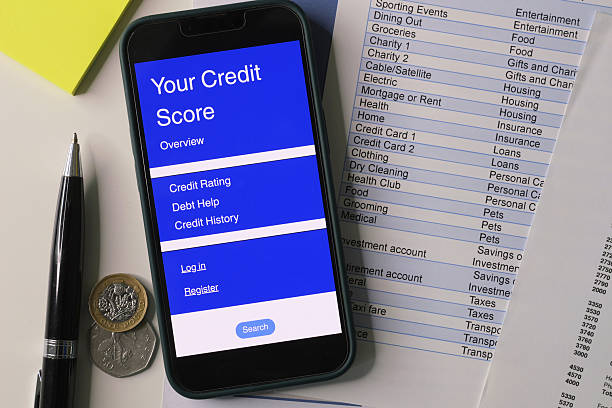


You do not need to pay to know your credit score. If you are working full-time, juggling bills, and trying to keep your head above water, a monthly credit-score subscription is usually a waste of money. Your bank, credit union, credit card issuer, or a reputable free credit app will show you a score at no cost. The catch is that different free scores can be different numbers. That does not mean one is lying. Most free scores are educational scores or VantageScore, while lenders often use FICO. Use the free number as a smoke detector, not a courtroom verdict. If it moves up or down, pay attention. If it stays steady, you can relax.
Your score is just a snapshot. Your credit reports are the actual file. A score is calculated from the information in those reports, so checking the score without checking the report is like checking a fever without asking why you are sick. You are entitled to free reports from the three major credit bureaus. The official government-mandated source lets you get them for free, and you can now pull them weekly if you want. You do not need to do that every week. Once a quarter is plenty for most busy people. Look for accounts you do not recognize, late payments that should not be there, collections that were paid or never yours, and balances that seem wrong. Errors are common, and they can drag your score down for years if you ignore them.
The busy-person routine is simple. Pick one free score source you trust and check it on the same day each month. It takes five minutes. Then every three or four months, pull your full reports and scan them like a hawk. You are not reading every word for fun. You are looking for surprises. If you find an error, dispute it with the credit bureau and the company that reported it. Keep copies of your letters and confirmation numbers. You can do this yourself. You do not need a pricey credit repair company, and many of them charge for things you can do for free.
Do not fall for the free-trial trap. A site offers a free score, then asks for a card and signs you up for a monthly subscription. Read the fine print before you type in payment info. Credit monitoring can be useful after identity theft, but most people do not need a paid plan. A free score and a free report are enough for routine checkups. If you are about to apply for a mortgage or car loan, you may want to check the specific FICO scores used for that loan, but even then, you can often get help from a lender or nonprofit counselor without paying a monthly fee.
What actually moves your score? The big ones are paying on time, keeping credit card balances low compared with your limits, and letting old accounts age. Payment history is the heavyweight. One missed payment can hurt more than a dozen small good habits. Set autopay for at least the minimum on every account, then pay more when you can. Utilization is the next big one. If your limit is one thousand dollars and your balance is eight hundred, you look maxed out even if you pay in full every month. Try to pay before the statement closing date, not just the due date, so the lower balance gets reported. Under thirty percent is decent. Under ten percent is better. Do not obsess over zero, because some reporting of zero is fine, but you do not need to micromanage every dollar.
Also protect yourself. A free credit freeze at all three bureaus is one of the best free tools you have. It stops most new accounts from being opened in your name. Unfreeze it when you need to apply for credit, then freeze it again. Never give your Social Security number to a random site that promises a score. Use your bank or a well-known free service. If a score offer sounds too good to be true, it probably is.
The bottom line is that checking your credit does not have to be a hobby. You do not need a financial manager to babysit your score. You need a monthly five-minute check, a quarterly report review, on-time payments, low balances, and a willingness to dispute errors. That is it. Your credit health is not a mystery. It is a habit. Keep it simple, keep it free, and keep it moving.