
Your credit score is not a mysterious grade handed down by banks. It is a snapshot of how you handle borrowed money, and you have every right to see it for free. Lenders use it to decide whether to approve you for a credit card, car loan, apartment, or even a phone plan. A good score can save you thousands in interest. A bad one can cost you more. Checking your score does not lower it, and you never need to pay for the basic number.
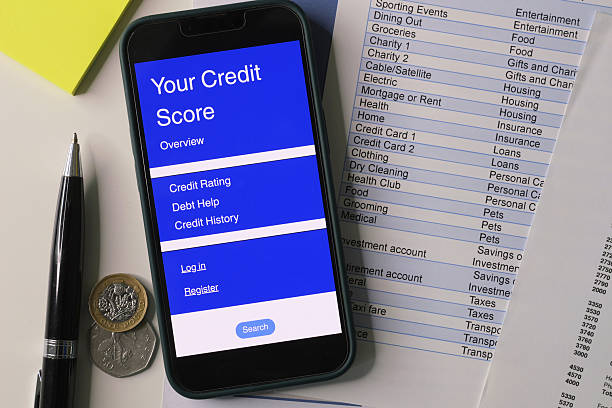
The quickest free score is usually already in an app you have. Many banks and credit card issuers show a score in their mobile app or online dashboard. These are often VantageScore, not FICO. They are calculated differently, but they usually move together, which is enough for everyday tracking. If you are applying for a mortgage or auto loan, ask the lender which score they use. Some credit card issuers give you a free FICO score. Use that if you can. Do not pay for a score unless a lender specifically tells you that you need a certain model for a big application.
Your score and your credit report are not the same thing. The score is a number. The report is the detailed file behind it. You can get free weekly reports from all three nationwide credit bureaus through the official site set up by the bureaus. Check all three because they do not always have the same information. Look for accounts you do not recognize, addresses that are wrong, late payments that never happened, and balances that seem too high. Errors are more common than you think, and they can drag down your score. If you find a mistake, dispute it directly with the bureau online. Keep your confirmation numbers and documents. If you suspect identity theft, freeze your credit at all three bureaus. It is free and does not hurt your score.
How often should you check? Once a month is plenty for most working people. Pick a day that is already part of your routine, like the day you pay rent or get paid. Before a big purchase, start checking three to six months ahead. That gives you time to fix errors, pay down balances, and avoid new debt. Checking your own score is a soft inquiry. It does not lower your score. Applying for new credit is a hard inquiry. That can lower it a little, so only apply when you actually need the money or the card.
The biggest factor in your score is payment history. Set autopay for at least the minimum on every account. If you can, pay the full balance. The second biggest factor is how much of your available credit you use. Keep balances low compared to your limits. Under thirty percent is decent. Under ten percent is better. If you use a rewards card for everything, pay it down before the statement closes so a low balance gets reported. Length of credit history matters too. Keep your oldest no-fee card open, even if you rarely use it. New credit and credit mix matter less. Do not take on debt just to have a mix.
When your free score changes, do not panic. Scores move because lenders send new data, usually once a month. A small drop after paying off a loan can happen if the account closes or your mix changes. Look at the trend over several months, not the daily number. If your score drops sharply, check your report first. It is usually an error, a new hard inquiry, or a higher balance. Fix the cause instead of buying a score subscription.
Avoid anything that charges you to see your own score. You do not need a trial, a monitoring plan, or a credit repair company to do what you can do yourself. You can dispute errors for free. You can freeze your credit for free. You can set autopay for free. Your score is a tool, not a report card. Check it for free, keep your payments on time, keep your balances low, and check your reports for mistakes. That simple routine will keep your credit healthy without eating your time or your wallet.