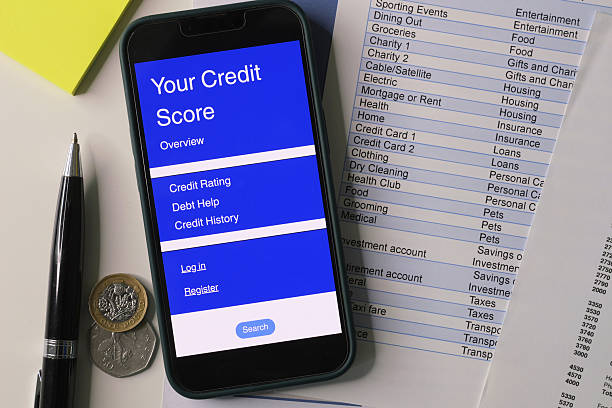

You do not need to pay for your credit scores. Plenty of companies still act like they are doing you a favor by charging monthly for something you can often get for free. If you bank online or carry a credit card, your bank or card issuer may already offer a free score in its app. Look under benefits or account details. Find it once, and you can check it whenever you want without spending a dime.
Free scores are real, but they are not all the same. Most free scores are VantageScore, while many lenders use FICO. You have dozens of scores because the three major credit bureaus—Equifax, Experian, and TransUnion—each have their own data, and scoring models vary. That sounds complicated, but the practical takeaway is simple: use free scores to watch the direction, not to demand an exact number. If your free score goes up, your real scores probably are not falling. If it drops, look for a reason.
The most important free thing is not the score. It is your credit report. You can get free reports from all three bureaus through AnnualCreditReport.com. As of recent rules, you can pull them weekly. That is the real gold. Your report shows the accounts, balances, payment history, collections, and inquiries that create your scores. A free score is a snapshot. Your report is the story. If you only check the score, you might miss an error or a fraudulent account. If you check the report, you can fix what is dragging you down.
When you look at your report, do not skim. Check your name, addresses, and Social Security number. Then look at every account. Are all of them yours? Are the balances right? Are late payments accurate? A single collection account can tank a score, and it might not even belong to you. If you find a mistake, dispute it with the bureau. You can do this online or by mail. Keep it factual. Do not write a long emotional letter. Say what is wrong and why. Attach proof if you have it. Bureaus have to investigate, usually within thirty days.
Watch out for the free score trap. Some sites offer a free score but ask for a credit card and sign you up for a trial that becomes a monthly subscription. That is not free. A truly free score does not need your card. If you are asked for payment details, close the page. Your bank, credit card issuer, and nonprofit credit counseling services are safer. Also, never pay a credit repair company that promises to erase accurate negative information. Nobody can do that legally. Only time, good habits, and corrected errors will improve your report.
You do not need to check your scores every day. Once a month is plenty. Check your reports every few months, or before you apply for a car loan, mortgage, apartment, or new card. Set a phone reminder. It takes fifteen minutes. Pay bills on time. Keep credit card balances below thirty percent of your limits, and lower is better. Do not close your oldest card just because you do not use it. Use it once a year for a small purchase and pay it off. Apply for new credit only when you need it. Those habits do most of the work.
Your credit score is not a measure of your worth. It is a number lenders use to guess how risky it is to lend to you. A good score can save you thousands on a car loan or mortgage. It can help you rent without a giant deposit. It can even affect insurance rates and some job applications. Junk credit does the opposite. It costs money you cannot afford to waste. The good news is you do not need a pricey financial manager to keep it clean. You need a free score, a free report, a calendar reminder, and discipline to fix small problems.
So check your free score this week. Then pull your free reports. Fix what is wrong. Set up autopay. Keep your balances low. Repeat once a month. That is it. No subscriptions, no gimmicks, no shame. Just a simple routine that keeps your credit healthy while you get on with your life.