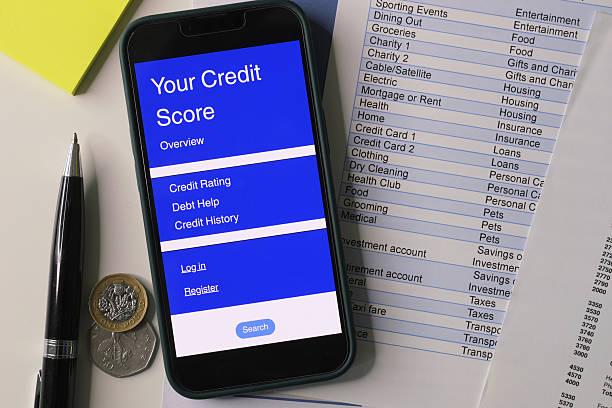


Checking your credit scores for free is one of the few financial chores that takes less time than making coffee. But free score checking can turn into noise fast. You do not need a paid financial manager or a monthly subscription to know where you stand. You need a simple routine, a clear understanding of what scores are and are not, and enough skepticism to ignore upsells.
Your credit score is a number built from the information in your credit reports. Those reports are the actual records: accounts, balances, payment history, collections, inquiries, and public records. The score is just a snapshot. Different scoring models exist, and they weigh things differently. A free score from one app may be a VantageScore while a lender pulls a FICO score. That does not mean the free number is fake. It means scores vary by model and by bureau. Use free scores as a trend line, not a courtroom verdict. If your score moves ten points because you paid off a small balance or your statement closed, do not panic. Look at the report behind the number.
The best free routine is boring. Once a month, open the free score offered by your bank or credit card app if it has one. Many major banks and card issuers include a free score and basic report summary. Then, at least once a quarter, pull your full credit reports from the official federally authorized source. That source is free, and it now offers weekly access to reports from all three major bureaus. You can stagger them, pulling one bureau every few months, or pull all three when you are planning a big application. You do not need a paid credit monitoring service to do this. Set a calendar reminder, spend fifteen minutes, and move on.
When you review reports, look for things that do not belong. Check your name, old addresses, and employers. Then scan every account: creditor name, balance, credit limit, payment status, and date opened. Look for collections you do not recognize, late payments that were actually on time, accounts that are not yours, and balances that are way off. If you spot an error, dispute it with the bureau and with the creditor. Keep it simple: state what is wrong, attach proof if you have it, and ask for correction. You do not need a credit repair company to send a letter you can write yourself. Be wary of anyone who promises to erase accurate negative information. Nobody can legally do that.
Also know what to ignore. Ignore daily score alerts that make your heart rate jump. Ignore credit repair offers that charge upfront fees. Ignore services that push identity theft protection you did not ask for. Ignore the idea that checking your own score hurts your credit. It does not. Checking your own score is a soft inquiry. A lender checking your credit for a new card or loan is a hard inquiry, and too many hard inquiries in a short window can matter. But one pull for a mortgage or auto loan is normal. Rate shopping within a short period is generally treated as one inquiry by many scoring models. Do not let fear keep you from checking.
Watch the free-trial trap, too. A lot of apps offer a free score and then quietly bundle it with a monthly monitoring plan. That is not evil, but it is easy to forget. If you sign up for anything, put a cancellation reminder in your phone the same day. Better yet, use the free score that comes with an account you already have. Your bank app will not try to sell you a credit manager you do not need. If you do use a standalone free service, use it for the score and the report summary, not for the constant alerts. You are trying to catch real problems, not turn your credit into a second job.
Your score is not a moral grade. It is a tool lenders use to predict risk. To keep it healthy without spending hours, pay every bill on time, keep credit card balances low relative to limits, and do not close your oldest card just because you do not use it. If you carry a balance, aim to pay it down. If you are drowning, call your lender and ask about hardship options, or talk to a nonprofit credit counselor. That is cheaper than a pricey financial manager and often more useful. Free score checks are a starting point. The real work is a five-minute monthly review, a quarterly report check, and a habit of correcting problems early. Do that, and you will know your credit without letting credit run your life.