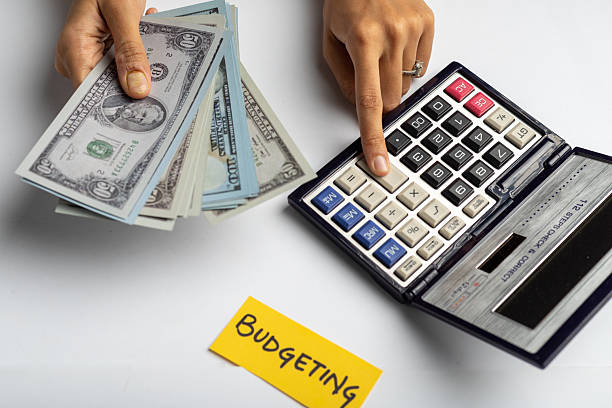


You don’t need a side hustle, second job, or financial advisor to improve your money situation. Your closets, garage, and storage unit may be holding cash. Selling unused items is one of the fastest ways to boost income without adding hours to your workweek. The goal is to turn things you already own into money you can use to stay out of junk credit. That means no new debt, no payments you can’t handle, and no credit score surprises.
Start small. Pick one drawer, one shelf, one bin. Set a 20-minute timer. If you haven’t used it in a year, it’s not sentimental; it’s inventory. Ask yourself: Would I buy this again today? Does it work? Is it worth more than $10? If no, donate or trash it. If yes, put it in the sell pile. You don’t need to organize your entire house. You need one bag of stuff that can become $50, $100, or $300.
Clean it, photograph it, and write a simple listing. You don’t need pro photos. Use natural light, a plain background, and take pictures from a few angles. Be honest about flaws. A scratched screen or missing remote will kill a sale faster than a low price. Write a title people actually search for. “Nike Air Force 1 size 10 white” beats “Nice shoes.“ Include measurements for clothes, model numbers for electronics, and pickup details. Price it to move. Search the same item on Facebook Marketplace, eBay, or Mercari and check sold listings. Then price yours about 20 percent lower than the highest dreamer. You’re clearing space and getting cash.
Choose the platform that fits the item. Bulky furniture and bikes do best locally on Facebook Marketplace, OfferUp, or Craigslist. Clothes, shoes, and small electronics do better on eBay, Poshmark, Mercari, or Depop. Books, games, and DVDs can go to Decluttr or a local used bookstore. For anything valuable and niche, try a specialty buyer or consignment shop. Yes, they take a cut, but they save you time.
Safety and payment matter. Meet in a public place during daylight, like a police station parking lot or a busy store. For local sales, cash is simple. If you use a payment app, confirm the money is in your account before handing over the item. Don’t accept checks or “my assistant will send a courier” stories. For shipping, use tracked shipping and keep the receipt. Scammers target people who seem desperate or rushed.
Extra cash is only helpful if you don’t waste it. The smartest move is to pay down credit card balances. Credit utilization, which is how much of your limit you’re using, is a big part of your credit score. If you’re maxed out, even a few hundred dollars can lower your utilization and help your score. Pay the card with the highest interest rate first, but always make at least the minimum on every card. Don’t close old cards after paying them off. Don’t use the money to open a store card for a one-time discount. That’s how junk credit starts.
If you have no credit card debt, use the cash to build a small emergency fund. Even $500 can keep you from putting a car repair or medical bill on a high-interest card. If you already have savings, make an extra payment on a car loan, student loan, or personal loan. Or use the cash for a necessary expense you’d otherwise finance, like new tires or a work uniform.
Don’t turn selling into a credit trap. Flipping can be fun, but if you buy inventory with credit cards, you’re not earning income; you’re gambling with borrowed money. Sell what you own first. If you want to resell regularly, use cash and keep it separate. Also, personal items sold at a loss usually aren’t taxable income, but if you buy to resell, keep records and talk to a tax pro.
The final rule: once you sell it, don’t rebuy it. It’s easy to make $200 and immediately spend $300 on replacements. That’s not progress. Delete the listing, ship the item, deposit the cash, and send it to debt or savings the same day. Your place will feel lighter, and your credit will stay out of the junk pile.