

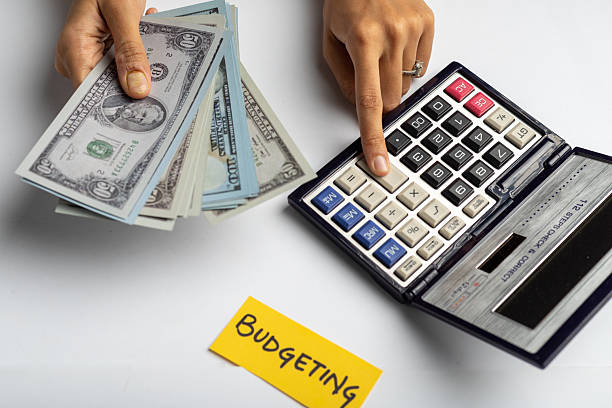
Your unused stuff is not clutter. It is cash sitting in the dark. The problem is that most people try to sell everything at once, get overwhelmed, and quit. You do not need a storefront, a spreadsheet, or a side hustle that eats your nights. You need a simple system that turns forgotten items into money without turning your living room into a warehouse. The goal is not to become a full-time reseller. The goal is to get paid for things you already own, clear space, and put that money toward bills, savings, or debt.
Start with the highest-value rooms. The kitchen junk drawer is not where the money is. Check the closet, garage, storage bins, and electronics shelf. Ask one question: if I saw this at a yard sale for five dollars, would I buy it? If the answer is no, it is a candidate. Use the one-year rule. If you have not used it in a year, and it is not seasonal or sentimental, let it go. Sentimental items get one small box. Everything else gets sold, donated, or tossed. Do not let a twenty-dollar item cost you three weekends of indecision.
Set a timer for twenty minutes per area. When it rings, stop sorting and start listing. Speed matters more than perfection. You can clean, photograph, and write a description in less time than you think. Wipe off dust. Take photos in natural light against a plain wall or blanket. Shoot the front, back, any flaws, and the label or model number. Buyers trust honesty. If there is a scratch, say so. If the zipper sticks, say so. That one sentence prevents returns, arguments, and wasted trips.
Price to move, not to impress. Search the same item on the platform you plan to use and filter by sold listings. Asking prices are fantasies. Sold prices are facts. For most used goods, start at thirty to fifty percent of retail if it is in good shape. For worn clothes, older electronics, and furniture with wear, go lower. If you would rather have space than ten extra dollars, price it at a number that makes someone say yes today. You can always accept a reasonable offer, but you cannot get back the time you spent relisting.
Choose the right platform for the item. Local apps are best for furniture, bikes, tools, and anything heavy. Shipping platforms are better for phones, game consoles, collectibles, and brand-name clothing. For clothes, take clear photos on a hanger and include measurements. For electronics, factory reset and remove accounts before selling. For local sales, meet in a public place during daylight, or use a police exchange zone. Cash is simple and safe when you are face to face. Do not accept overpayments, fake payment screenshots, or requests to ship before money clears. If a buyer wants you to buy a gift card or send a code, it is a scam. Block and move on.
Do not ignore the tax side. Selling your own used personal items at a loss is generally not taxable. But if you are buying items to resell, or you make a profit on something you collected, the rules change. Keep it simple: save receipts for anything you bought specifically to flip, and track your sales if you sell regularly. For most people cleaning out a closet, this is not a business. But if the money becomes steady, talk to a tax pro before the IRS becomes your new pen pal.
The real win is what you do with the cash. Do not let it disappear into takeout and impulse buys. Send it straight to a credit card balance, an emergency fund, or a bill that has been stressing you out. Every dollar you earn from selling unused stuff is a dollar you do not have to borrow. That is how you avoid the debt trap. You stop using future money to pay for past clutter. You also train yourself to think twice before buying things you will later sell for a fraction of the price.
Finally, set a deadline. If an item has not sold in two weeks, lower the price by twenty percent. If it has not sold in a month, donate it. A donation is not failure. It is a tax-deductible exit strategy, and it clears mental space. The point is not to squeeze every penny out of every object. The point is to get cash, get space, and get on with your life. Start with one drawer, one shelf, or one bin tonight. Twenty minutes is enough to begin. Your closet is not a museum. It is an ATM with a zipper.