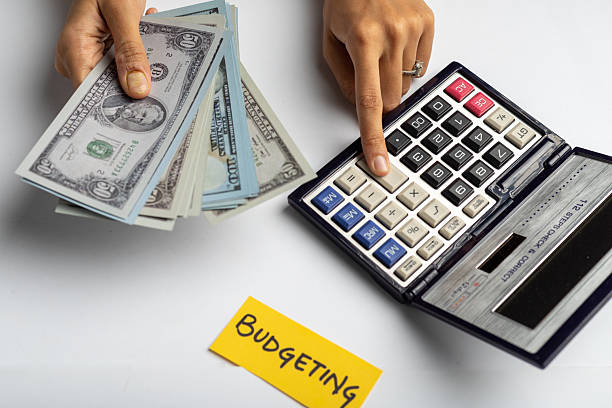


You are sitting on money. It is in the closet, garage, junk drawer, storage unit, and old phone box. Most people ignore it because selling sounds like a hassle, but you do not need to become a full-time reseller. A single focused weekend can turn unused stuff into a few hundred dollars. That money can do two jobs at once: give you breathing room and keep your credit healthy. If you are working, busy, and not trying to hire a financial manager, this is one of the simplest ways to improve your cash flow.
Start where the value is highest. Old smartphones, laptops, tablets, game consoles, cameras, tools, brand-name sneakers, coats, purses, baby gear, musical instruments, and small furniture sell fast. Broken items can still sell for parts if you are honest. The rule is simple: if you have not used it in a year and it is not a legal document or a family treasure, it is inventory. Do not waste time on cracked phone cases and stained T-shirts. Bundle those as a cheap lot or donate them. Your time has value.
You do not need ten selling apps. Pick two based on what you have. For local, bulky items, use Facebook Marketplace or Craigslist. For electronics, collectibles, and tools, eBay or Swappa may bring more. For clothes and shoes, Poshmark, Mercari, or Depop work. For phones and tablets, buyback services like Gazelle or Back Market are fast, even if the price is lower. The goal is not maximum dollars. The goal is money in your account before you lose interest.
Price like a seller, not like a dreamer. Search sold listings, not asking prices. If similar items sold for twenty-five dollars, do not list yours for eighty. Price it at a fair number, then drop it by ten or fifteen percent if nobody bites in three days. Bundle small items. “Everything in this box for twenty dollars” moves faster than ten separate listings for three dollars each. Accept that a quick twenty dollars beats a slow forty dollars. You can always sell the next thing.
Safety matters more than speed. Meet in public, during the day, in a police exchange zone if your town has one. Bring a friend if you can. Take cash or a verified payment app, and do not hand over the item until the money is in your account. For shipping, use tracked shipping and only sell through the platform. Scammers will offer more than your price, ask you to text outside the app, send fake payment screenshots, or ask for a verification code. Never give bank logins, never read codes to anyone, and never ship before payment clears. Before selling electronics, sign out of all accounts, factory reset, and remove SIM cards and memory cards. Shred old bank statements, tax returns, and medical papers. Do not sell your identity for ten dollars.
The cash is the real test. It is easy to turn clutter into takeout, new clothes, and another gadget you will sell next year. Do not do that. If you have credit card debt, send the money to the highest-interest card the same day it arrives. If you have no emergency fund, keep the first few hundred dollars as a starter buffer. That buffer is what stops a flat tire from becoming a maxed-out card and a late payment. Once you have a small cushion, attack debt. If you have no debt, put the money toward savings, a car repair fund, or school costs. The point is to stop using credit as a survival tool.
You usually do not owe taxes when you sell used personal items for less than you paid. If you are buying and reselling for profit, or selling a lot, keep records and talk to a tax pro. For most people cleaning out a closet, this is not complicated.
Do not turn this into a reason to shop. Do not open a store card to buy inventory. Do not use buy now, pay later to fund a side hustle you have not tested. Do not rent a storage unit to hold maybe-money. Storage fees eat the profit and keep you stuck. Keep a sell box and a donate box. When the sell box fills, list five items. Anything not sold in thirty days gets donated or given away. Repeat once a month.
Credit health is mostly cash flow. More cash and less debt lower your credit utilization, make on-time payments easier, and reduce the stress that leads to bad money decisions. You do not need an expensive advisor for that. You need an hour, a trash bag, and your phone. Start with one drawer tonight. List three items. When the money hits, send it to debt or savings before you can spend it. Do that a few times, and you will have more than extra cash. You will have options.