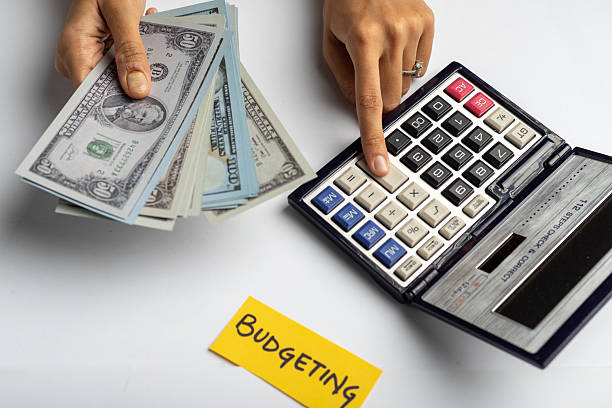

Your closet, garage, and junk drawer are probably holding money you forgot you had. The average working person doesn’t need a side hustle that eats every evening. You need a simple system for moving unused stuff out the door, getting fair cash, and putting that money to work before it disappears. The goal is not to become a full-time reseller. The goal is to turn dead weight into breathing room.
Start with a thirty-minute sweep, not a full-house purge. Pick one room and carry a trash bag and a “sell” box. If you haven’t used it in a year, it doesn’t fit, or you forgot you owned it, it goes into the box. Be honest but not sentimental. The exercise bike that holds laundry, the extra phone case, the gaming headset, the brand-name jacket you wore twice, and the power tools sitting in a bucket are all candidates. Skip anything broken beyond easy repair, stained, missing pieces, or unsafe. You are not running a landfill diversion program; you are running a small, efficient cash-out.
Next, sort into three piles: high-value, easy-to-ship, and bundle. High-value items are things people search for by name: game consoles, tools, small furniture, musical gear, sneakers, designer bags, and unused electronics. Easy-to-ship items are small, lightweight, and in demand: phone accessories, collectibles, clothing in good condition, books with real resale value, and sealed cosmetics. Bundles are the low-value stuff that becomes worth selling only in a group, like a box of kitchen gadgets, a set of baby clothes, or assorted cables. Anything not worth your time goes to donation or trash. Time is money, and you don’t have enough of either to list a five-dollar item that takes three hours to sell.
For pricing, stop guessing. Search the exact item on the platform you plan to use and filter by sold listings, not asking prices. Asking prices are fiction. Sold prices are facts. Price a little below the middle of the sold range if you want it gone this week. Leave a little negotiating room, but don’t play games. “Firm” means firm. If you want quick cash, say so in the listing and price it accordingly. A fair price that sells beats a fantasy price that sits.
Photos matter more than clever copy. Use daylight, a clean background, and four to eight clear shots. Show the front, back, labels, flaws, and anything included. Write a short title with the brand, item, size, and condition. Then keep the description simple: what it is, how it works, what’s included, and why you’re selling. Skip the life story. Buyers want facts and frictionless pickup.
Use the platform that fits the item. Facebook Marketplace and OfferUp are great for furniture, tools, and local pickup. eBay and Mercari work for shipped items with a national buyer pool. Poshmark and similar apps can move clothing if it’s a recognizable brand. Craigslist is still useful for bulky items and free stuff. For local sales, meet in a public place during daylight, bring a friend when possible, and accept cash or a payment app you can verify before handing over the item. Don’t hold items for strangers without a deposit. Don’t ship until payment clears. Don’t click weird links. Basic street smarts apply online too.
The money part matters as much as the selling part. Decide before you list what the cash is for. If you have credit card balances, send the proceeds straight to the highest-interest card. If you don’t have an emergency fund, park the cash in savings. If you’re behind on bills, use it for the bills. What you should not do is treat a closet cleanout as a shopping spree. That’s how you turn useful cash into more junk and, eventually, junk credit. A small windfall is a chance to reduce stress, not add a payment.
Finally, keep the system light. Spend one weekend listing, one week answering messages, and one pickup day. Whatever doesn’t sell in two weeks gets repriced, bundled, or donated. Don’t let a “sell” pile become permanent furniture. The whole point is to clear space, add cash, and protect your credit from the expensive habit of buying things you don’t need. Sell what you don’t use, pay down what you owe, and move on. That is a side hustle with a real payoff.