

You are at the register. The cashier says you can save 20% today if you open a store credit card. The screen shows a tiny monthly payment. You are tired, the line is long, and the discount feels like free money. It is not. It is one of the most effective credit card traps, and it works on busy people trying to catch a break.
Store cards often come with annual percentage rates near or above 30%. A 20% discount on a $150 purchase saves you $30. Carry that balance for a year at 29.99%, and you could pay about $45 in interest. The discount disappears, and you still owe the money. Miss a payment or go over your limit, and fees pile on. The store is not giving you a gift. It is buying your future payments with a small reward.
The trap works because it hides the real math. “You’re pre-approved” does not mean you are getting a good deal. “Zero interest for twelve months” sounds safe until you read the details. Some offers are deferred interest. If you do not pay the entire balance before the promo ends, you can be charged interest from the original purchase date. That turns a small balance into a nasty surprise.
Another trap is the bonus chase. Spend $500 in three months and get $200 back. The reward feels like winning. But if you change your spending to hit the bonus, you are buying things you did not need. Never carry a balance to earn points. A 2% reward is meaningless when you are paying 25% interest. Rewards are for people who pay in full every month. Everyone else funds the program.
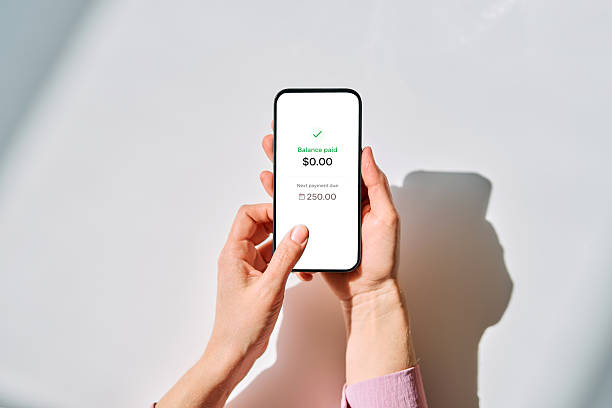
Minimum payments are the quiet engine of credit card debt. A new card may let you pay $35 a month on a $2,000 balance. That feels manageable. But at a high interest rate, most of that payment goes to interest. You could pay for years and barely touch the principal. If your payment feels comfortable, that is often a sign you are not paying it down fast enough. Set autopay to pay the full statement balance. If you cannot, pay a fixed amount well above the minimum and put a reminder in your phone. The goal is to kill the balance, not babysit it.
Watch out for subscriptions that follow your card. Card updater services can send your new card number to merchants when your old card expires. Forgotten free trials can keep charging you after you thought you cancelled. When you get a new card, review your recurring charges and cancel what you do not use. A new card should not become a pipeline for old leaks.
Credit limit increases are another subtle trap. The issuer offers more room, and suddenly your budget has more air. But available credit is not income. If you accept an increase, use it to lower your credit utilization, not to fund a lifestyle. The same goes for balance transfer offers. A 0% transfer can be smart if you pay it off before the promo ends. It is a trap if you move debt around while continuing to spend. Add the transfer fee, the promo end date, and the monthly payment. If the numbers do not work, do not do it.
The simplest defense is a pause. At checkout, do not decide. Say, “I’ll think about it.“ Then do the math later. Ask yourself if you would still want the card without the discount. Ask how you will pay the balance in full. Ask what happens if you lose a shift, get sick, or have a car repair. If the answer is shaky, the card is not for you.
You do not need a finance degree to avoid these traps. You need a rule: no new credit for a discount, no rewards on a balance, and no autopay on the minimum. Keep one card you understand, pay it in full, and let the discounts go. Your credit is a tool, not a lottery ticket. The best new credit card is often the one you do not open. Slow down, read the terms, and protect your future self.