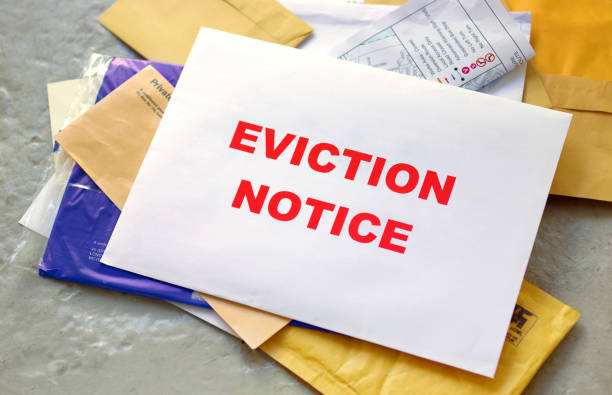


Financial anxiety is not a character flaw. It’s what happens when your brain treats a bank balance like a threat. It can make you avoid opening statements, checking your credit, or answering calls from collectors. Avoidance feels safer in the moment, but it makes credit worse. The goal isn’t to feel zero anxiety. It’s to stop anxiety from driving your decisions.
Start by naming the specific fear. “I’m bad with money” is too vague. “I’m scared to check my credit because I might see a late payment from last year” is workable. Write it down. Then ask what the worst realistic outcome is. A lower score? A phone call? A payment plan? Most money problems are fixable with information and time. Not fun, but not fatal. Once you name the fear, you can make a tiny plan. You don’t need a perfect plan. You need the next step.
Then separate the feeling from the fact. Anxiety says, “I’m drowning.” Your actual numbers might say, “I owe $1,200, minimum payments total $95, and I have $140 left after rent.” That’s tight, not drowning. Facts shrink fear. Open your accounts for ten minutes. Look at balances, due dates, and interest rates. Don’t fix everything. Just look. If numbers make you shaky, write down what is due, how much it costs, and when it hits. You can handle ten minutes. If you can’t, do five. The point is to prove you can look without dying. Then do it again next week. Credit health is built on regular, boring check-ins, not panic.
Next, automate the non-negotiables. When you’re anxious, decisions feel heavy. Remove them. Set autopay for at least minimum payments. Put a small automatic transfer to savings on payday, even $10. Set calendar reminders for credit card due dates. Use a bill tracker if it helps, but don’t spend hours comparing apps. Pick one and move on. Automation is not laziness. It’s a guardrail. It protects your credit when you’re stressed, busy, or tempted to avoid.
Build a tiny buffer before you attack debt. A lot of financial anxiety comes from knowing one flat tire could wreck you. You don’t need six months of expenses right now. Aim for $500. Sell something, skip one delivery order, add a small auto-transfer. That buffer won’t make you rich, but it will stop small emergencies from becoming credit card debt. Once you have it, you’ll make better decisions because you’re not in constant fight-or-flight.
Use the 24-hour rule for fear purchases. Anxiety spending is real. You buy something to feel in control, then feel worse when the statement arrives. When you want to buy something non-essential, wait 24 hours. If you still want it and it fits your budget, buy it. If not, let it go. This one rule can save hundreds and protect your credit utilization. It also trains your brain that discomfort passes without a purchase.
Talk to one person or one company. Financial anxiety thrives in secrecy. You don’t need a pricey financial manager. You can call your credit card company and ask for a due date change or hardship plan. You can tell a trusted friend, “I’m working on my money stress.” You can use a free nonprofit credit counselor. The first call is the hardest. After that, you’re just a person with a problem and a plan, not a failure.
Check your credit regularly but not obsessively. Once a month is enough for most people. Pull your reports, look for errors, and note what needs fixing. Then close the app. Refreshing your score ten times a day feeds anxiety and changes nothing. Your credit is a slow-moving machine. Pay on time, keep balances low, don’t apply for too much new credit, and let time do its job.
Treat anxiety as data, not a verdict. It’s telling you something needs attention. Give it ten minutes, a written plan, and one action. Then go live your life. You don’t have to feel calm to make good money moves. You just have to keep showing up. Small, boring, repeatable actions beat fear every time. Your credit doesn’t need a perfect month. It needs a person who doesn’t disappear.