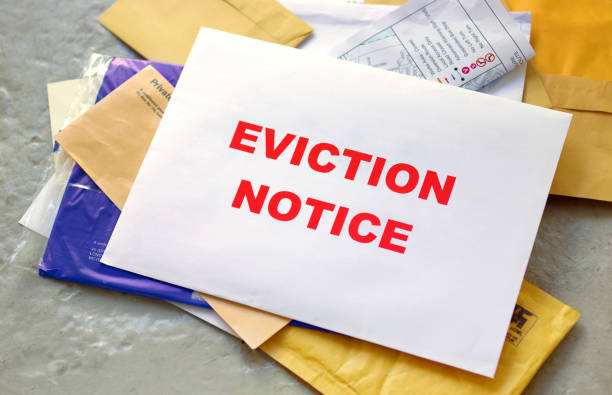


Financial anxiety is not a character flaw. It is what happens when your brain tries to protect you from a threat it cannot see clearly. Rent is due. Groceries cost more. Your paycheck hits, then it disappears. You know you should save, invest, and check your credit, but every time you open the banking app, your chest gets tight. So you close it. That avoidance feels like relief for five minutes. Then the worry comes back louder. That cycle is the real problem. Anxiety is making your financial decisions for you, and it is making them badly.
Here is the no-nonsense truth: your brain is not built to be calm about money. It is built to survive. When money feels scarce, your nervous system treats it like a tiger. You go into fight, flight, or freeze. Fight, flight, or freeze all show up around money. None of those are moral failures. They are stress responses. But they are expensive. If you want better credit, better savings, and better sleep, you have to interrupt the loop.
Start by separating the feeling from the fact. Anxiety says, “I am broke and I will always be broke.“ The fact might be, “I have $340 until Friday and three bills due.“ That is a real problem, but it is solvable. The feeling is a story. The fact is a math problem. You cannot budget your way out of a feeling, but you can make a plan for a number. Write down the exact amount you owe, the exact date it is due, and the exact next action. Call the company. Move $20. Ask for a due date change. Anxiety hates specificity because specificity turns a monster into a to-do list.
Next, stop making money decisions when you are already panicking. Behavioral finance calls this the hot-cold empathy gap. When you are calm, you know you should not open a store credit card for 15 percent off. When you are anxious and overwhelmed, the discount feels like rescue. The fix is not more willpower. It is a rule. No financial decision over $100 gets made in the same hour you feel the urge. Put a twenty-four-hour pause between the trigger and the transaction. That one rule will save you more money than any fancy app.
You also need a money check-in that fits your real life. Not a two-hour budgeting session every Sunday. Fifteen minutes, once a week. Open your banking app and your credit card app. Look. Do not judge. Write down three numbers: what came in, what went out, what is left. If that feels too hard, start with one number: your checking balance. The goal is not perfection. The goal is to prove to your brain that looking does not kill you. Every time you look and survive, the anxiety loses a little power.
Build a buffer, even a tiny one. Financial anxiety shrinks when you have options. You do not need six months of expenses to feel better. You need $100. Then $300. A small emergency fund is not about interest. It is about giving your nervous system a landing pad. Put it in a separate savings account. Automate $10 or $20 a paycheck. And when the car tire blows or the phone screen cracks, you will not have to choose between a credit card and a panic attack.
Finally, talk about money with one safe person. Anxiety grows in silence. Shame says you are the only one who does not get it. You are not. A friend, a partner, a sibling, a therapist, or a free nonprofit credit counselor can help you hear your own thoughts out loud. You do not need a pricey financial manager. You need a calm voice and a simple plan.
Financial anxiety will not disappear forever. That is not the goal. The goal is to make it a passenger, not the driver. You can feel scared and still check your balance. You can feel behind and still save $20. You can feel unsure and still make the next sensible move. That is how bad credit habits get avoided and real breathing room gets built. One look, one rule, one small action at a time.