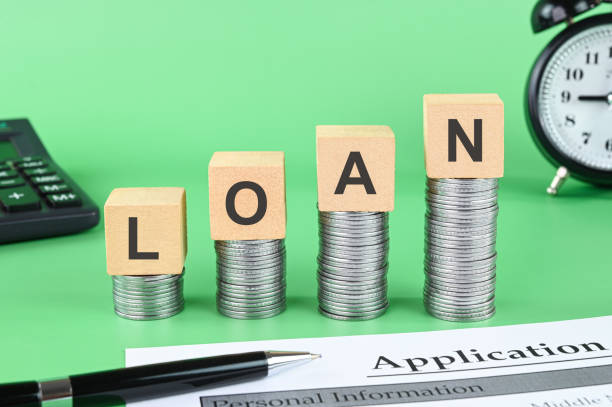


Bad credit can make you feel like every lender has already decided you are a risk. That feeling is understandable, but it is not the whole story. Lenders are not just looking at a three-digit score. They are looking for a pattern they can trust. A strong relationship will not magically erase past late payments, collections, or a bankruptcy. What it can do is give an underwriter a reason to look deeper, offer a lower rate, or approve a loan that an automated system might reject.
Know your numbers before you ask for money. Pull your credit reports, check your score, and write down your monthly income, rent, car payment, and other debts. If there are errors, dispute them. When you apply for a bad-credit loan, do not shotgun applications across ten websites. Each hard inquiry can ding your score. Use prequalification tools instead. They usually use a soft pull, so you can see estimated rates without damaging your credit. Then pick one or two lenders that fit your situation.
Start with lenders that value relationships, not just fast approvals. Credit unions and community banks often have loan officers who will talk to you. If you can, open a savings account or set up direct deposit with the same institution before you ask for a loan. A small secured loan or credit-builder loan can be a powerful first step. You put down a deposit, make on-time payments for six to twelve months, and show the lender you are not the same person who missed payments years ago.
Be honest when you talk to a lender. If you have a collection, a charge-off, or a recent late payment, do not hide it. Lenders will find it. Instead, own it briefly and explain what changed. Maybe you were laid off, had a medical bill, or went through a divorce. Then explain the new system you use to stay current, such as autopay or a smaller budget. If you are denied, ask why and what would make approval possible. Some lenders have a reconsideration process. Provide pay stubs or bank statements. A polite follow-up can turn a no into a maybe.
Communication is the most underrated relationship skill. If you see a payment is going to be late, call before the due date, not after. Ask about a due-date change, a hardship plan, or a partial payment arrangement. Write down the representative’s name, the date, and what was promised. Ask for the agreement in writing. Lenders deal with thousands of borrowers, so your notes protect you. They also remember the people who call early and keep their word.
Automate your payments, but do not go on autopilot. Autopay prevents forgetfulness, but you still need to check that the money is there and the payment went through. Keep your contact information updated. Read the fine print on fees, annual percentage rates, and prepayment penalties. Avoid payday loans and any lender that pressures you to give remote access to your bank account. If a lender will not explain the terms clearly, walk away.
Over time, use the same lender for more than one product. Pay off a small loan, then ask about a larger one. Keep old accounts open if they do not charge fees. Keep your credit card balances low, and ask for a credit limit increase after a year of on-time payments. Ask whether the lender reports to all three credit bureaus. If it does not, the loan may help your wallet but not your credit. Refinance only after your score and income have improved, usually after twelve to eighteen months.
A lender relationship will never replace good credit habits. It is a bridge, not a shortcut. You still need to pay every bill on time, keep utilization low, and avoid new debt you cannot afford. But when you show a lender that you are stable, honest, and easy to work with, you become someone they want to keep. That can mean better rates, higher limits, and more options. Trust is built the boring way: on-time payments, clear communication, and patience. Make it easy for a lender to say yes.