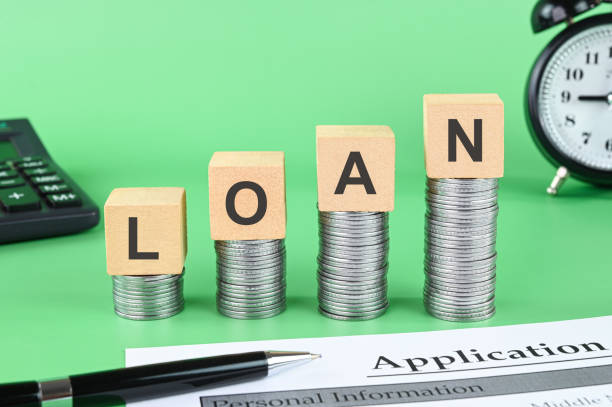


Bad credit can feel like a locked door, but it is not a permanent ban. Big banks may rely on scores, but community banks and credit unions often look at the whole person. They want to see steady income, a checking account in good standing, and a borrower who communicates. If you have damaged credit, your best move is not to chase every preapproved offer. It is to become a known, reliable customer at one or two local lenders. That takes a little time, but less than you think, and it costs far less than a pricey financial manager.
Start with a basic deposit account. Open a free checking or savings account at a credit union or community bank. Set up direct deposit if your job offers it. Keep the account positive. Turn off overdraft coverage or set low-balance alerts so you do not rack up fees. After three to six months, you have a record of cash flow. That record can matter more than a credit score when a loan officer reviews your file manually. A lender who sees rent, utilities, and payroll moving through your account sees stability, even if your credit report is messy.
Talk to a loan officer before you need money. This is the step most people skip. Walk in, call, or send an email. Be honest about your credit. Say, “My score is low because of a medical bill and a couple of late payments in 2022. Since then I have paid off a collection and kept my rent current.” Bring proof: pay stubs, bank statements, ID, and maybe a letter from your landlord. Ask what their manual review looks for. Some lenders offer credit-builder loans or secured loans. These products are designed to report positive payments. They may start at five hundred dollars or less. The point is not the amount. The point is a clean repayment history with a lender who knows your name.
Start small and automate. If you get a credit-builder loan, secure it with a small deposit. Set autopay from your checking account. Pay a few days early. Keep the term short, maybe six to twelve months. Do not borrow more than you can repay. If you get a secured credit card, use it for one small recurring bill, then pay it off. Keep your balance under ten percent of the limit. After six months, ask the lender if you can graduate to an unsecured card or a larger installment loan. If they say no, ask what specific milestones would change their answer. Write those down. Then hit them.
Be a low-maintenance borrower. Lenders are busy. They notice people who answer calls, upload documents quickly, and do not bounce payments. If you will be late, call before the due date. Ask about hardship programs, skip-a-payment options, or due date changes. A borrower who communicates is less risky than one who disappears. Keep your contact information current. Set calendar reminders. Do not let a small problem become a collections account. Every on-time payment is a deposit in the relationship bank.
Avoid junk credit. Payday loans, title loans, and high-fee installment loans can trap you in a cycle that damages your credit and your bank account. If you need cash fast, ask your credit union about a small personal loan or a paycheck advance alternative. Compare the annual percentage rate, origination fees, late fees, and whether the lender reports to the credit bureaus. A loan that does not report on-time payments does little for your credit. A loan with a three hundred percent APR can wreck your budget. Desperation is expensive. A relationship lender may be slower, but it is usually cheaper.
Consistency wins. Keep your accounts open. Use direct deposit. Pay on time. Check your credit reports for errors and dispute them. Ask your lender which bureaus they report to. If they only report to one, you may need a second credit-builder product elsewhere. But do not open ten accounts. Two or three well-managed relationships beat a wallet full of rejections. Over time, your score may rise. More importantly, your reputation with a human lender will rise. That reputation can get you a yes when an algorithm says no.
Building lender relationships with bad credit is not about charm. It is about proof. Prove you have income. Prove you can pay. Prove you will communicate. Start small, stay consistent, and let time do its job. You do not need a financial manager to do this. You need a local account, a calendar reminder, and the discipline to keep showing up.