In the pursuit of wealth creation, investors are often tempted by the allure of timing the market, seeking to buy at the lowest point and sell at the ...
Read More
The landscape of personal investing has been profoundly transformed by the advent of exchange-traded funds, commonly known as ETFs. These innovative f...
Read More
The journey of personal finance transcends mere budgeting and debt avoidance; its ultimate destination is the deliberate and systematic building of we...
Read More
The landscape of personal finance has been profoundly reshaped by the forces of technology, globalization, and innovation, giving rise to what is now ...
Read More
Within the sphere of personal finance, mutual funds have long stood as a cornerstone for individual investors seeking to participate in the market's g...
Read More
The landscape of personal investing has been fundamentally reshaped by the emergence of robo-advisors, representing a significant fusion of technology...
Read MoreAn emergency fund is cash set aside for unexpected expenses. It acts as a financial shock absorber, preventing you from needing to rely on high-interest credit cards or loans when unforeseen costs arise, which is a primary driver of debt.
It significantly impacts your credit utilization ratio (amount owed divided by credit limit), which is a major factor in your score. High utilization signals risk to lenders. It also affects your payment history, another critical scoring factor.
Most hospitals and providers offer interest-free installment plans. Always ask about this option before using credit cards or loans.
Its easy accessibility and the ability to make small minimum payments can create a false sense of affordability. This can lead to consistently carrying a high balance, which accumulates compound interest rapidly, causing debt to spiral out of control.
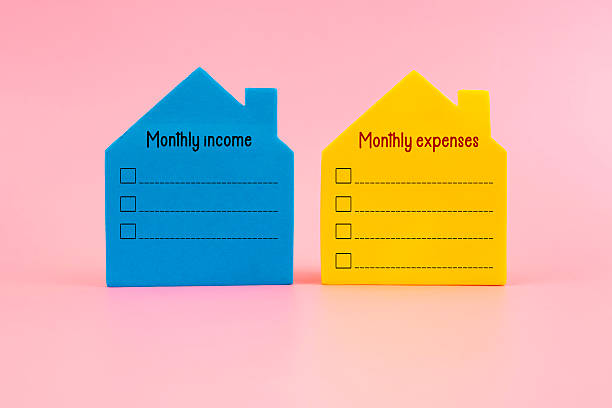
Every dollar of income is assigned a purpose (expenses, debt repayment, savings), leaving no money unallocated. This maximizes efficiency and prevents wasteful spending.