
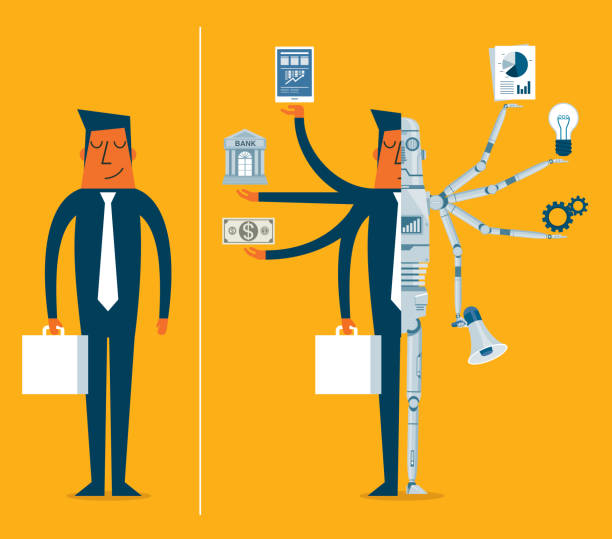
Your paycheck should not be a manual event. If every dollar depends on you remembering to move it, pay it, or save it, life will eventually get in the way. You will miss a due date, overdraft your checking account, or swipe a credit card because the money you meant to save is still sitting in checking. Automating your money is not about being rich or hiring someone to manage your finances. It is about building a simple system that runs in the background while you work, sleep, and live.
Start with the day you get paid. That is the anchor for everything. Set up an automatic transfer from checking to savings for the same day or the day after your direct deposit lands. Even twenty dollars per paycheck matters. The goal is not to impress anyone. The goal is to make saving normal, boring, and automatic. If your bank lets you split direct deposit, send a slice of your pay straight to savings. You never see it, so you do not miss it. Do the same for an emergency fund. That fund is what keeps a dead car battery or a surprise medical bill from turning into a credit card balance you carry for years.
Next, automate your fixed bills. Rent, utilities, phone, insurance, loan payments, and minimum credit card payments should not depend on your memory. Set up autopay through your bank or the biller. If the amount changes, use alerts so you know before the money leaves. Keep a small buffer in checking, maybe one hundred dollars, so a slightly higher electric bill does not cause an overdraft. Overdraft fees are junk credit’s best friend. They drain cash and push you toward expensive borrowing.
Credit cards need special handling. Autopay is powerful, but it can also bite you if you set it to pay the full statement balance and forget a transfer. A safe move is to automate at least the minimum payment on every card. That protects your payment history, which is the biggest part of your credit score. Then, if you can, automate a fixed extra payment each payday. Paying the full balance is ideal because it avoids interest, but the minimum autopay is your safety net. You can always pay more manually when you have extra. Never let a late payment happen just because you were busy.
Use separate accounts if your brain gets messy. One checking account for bills, one for spending, and one savings account for emergencies. On payday, automate a transfer to the bills account to cover what is coming. Automate a transfer to savings. What is left in spending is yours to use without guilt. This is a simple envelope system without actual envelopes. It works because you decide once, not every time you tap your card.
Alerts are part of automation too. Turn on notifications for low balances, large transactions, upcoming due dates, and credit card utilization. You do not need to check your accounts every day. You need your bank to tap you on the shoulder when something matters. A five-minute weekly glance is enough for most people. Once a month, spend twenty minutes reviewing what happened. Look for subscriptions you forgot, fees you can avoid, and payments that need adjusting. Then go back to your life.
Automation also protects your credit utilization. If you pay cards automatically and keep balances low, your credit report looks healthier. If you only pay when you remember, utilization spikes and late payments show up. Those are the junk credit habits that cost you money on car loans, apartments, and insurance. You do not need a pricey financial manager to avoid them. You need a system that pays on time, saves first, and warns you before trouble hits.
Start small. Pick one automation today. Set a savings transfer. Put one bill on autopay. Turn on a low-balance alert. Then add another next week. In a few months, your money will run on rails. You will still make decisions, but you will not be making them in a panic. That is how you keep your cash clean, your credit healthy, and your time for the things that actually matter.