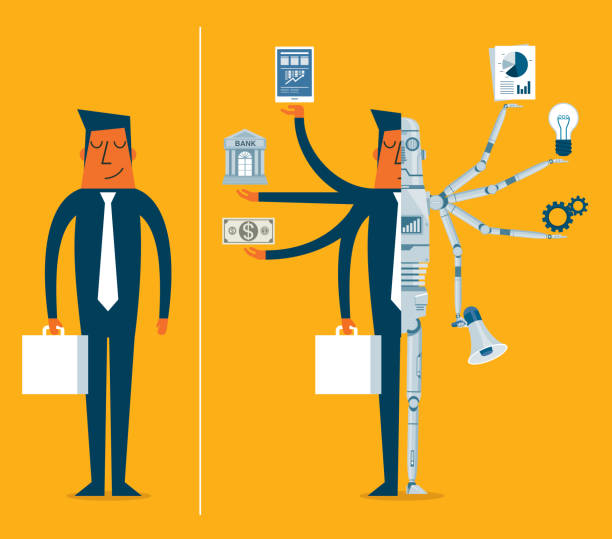


You don’t need a financial advisor, a 12-tab spreadsheet, or a weekend devoted to money. You need a system that runs without you. Most money problems aren’t caused by laziness. They’re caused by timing, forgetfulness, and living in a world where bills don’t care that you worked a double shift. Automation is how you stop relying on memory and start protecting your credit, your savings, and your sanity.
Start with your paycheck. The easiest automation happens before your money ever reaches your checking account. Ask your payroll department to split your direct deposit. Send the bulk to checking for bills and daily life. Send a small amount to a high-yield savings account for emergencies. If you can’t split direct deposit, set up an automatic transfer from checking to savings for the day after payday. The exact amount matters less than the habit. Twenty-five dollars every payday beats a perfect plan you never start. Once you get used to that, bump it up. You will not miss what you never see.
Next, automate your fixed bills. Rent, utilities, phone, insurance, loan payments, and minimum credit card payments should not depend on you remembering to log in. Put them on autopay from your checking account. If a provider lets you choose the due date, move it to a few days after payday. That one phone call can prevent a late fee and a credit report ding. Keep a small cushion in checking, around one hundred to two hundred dollars if you can, so an autopay never turns into an overdraft. If money is tight, stagger due dates instead of pretending everything can hit on the same day.
Automate your savings like it’s a bill you owe yourself. A high-yield savings account at an FDIC-insured bank or NCUA-insured credit union is fine. You don’t need anything fancy. Set an automatic transfer for the day after payday, even if it’s ten dollars. Your first goal is a five-hundred-dollar starter emergency fund. Then build toward one month of essential expenses. That fund is not for vacations or sneakers. It’s for the car repair, the medical copay, or the surprise layoff that would otherwise go on a credit card and turn into junk credit.
Automate debt payments too, but do it carefully. Set the minimum payment on every debt to autopay so you never miss a due date. Then automate one extra payment toward your highest-interest debt or your smallest balance if you need a quick win. If your income varies, base the automatic extra payment on your lowest-earning month, then add one-time payments when you have extra. Never set an autopay so high that it drains your checking account before groceries. An on-time minimum beats a missed payment every time.
Credit cards deserve special handling. If you use them, set autopay for the full statement balance so you never pay interest. If that would overdraw you, autopay the minimum and pay the rest manually. Never let autopay hide spending you can’t cover. Your credit score rewards on-time payments and low balances, so automation should make both easier, not mask a problem.
Set up account alerts. Low balance, large transactions, upcoming due dates, and credit card utilization. You don’t need to check your accounts every day. Ten minutes once a week is enough to make sure nothing weird happened. Automation is not permission to ignore your money. It’s permission to stop doing the boring parts manually. Review subscriptions every few months. Those silent monthly charges are how a budget leaks. Cancel what you don’t use. Keep what actually makes your life better.
Use separate savings buckets for predictable irregular costs. Car maintenance, holidays, insurance premiums, and annual fees are not emergencies. They are just bills with bad timing. Automate a small transfer to each bucket every payday. When the bill arrives, the money is already there. You don’t need to be a finance nerd. You need a payday split, autopay for bills, automatic savings, automatic minimum debt payments, and a weekly ten-minute check. Automate the boring stuff, review the important stuff, and let your paycheck do the heavy lifting. The goal is simple: fewer decisions, fewer late fees, and fewer credit surprises. You’ve got this.