

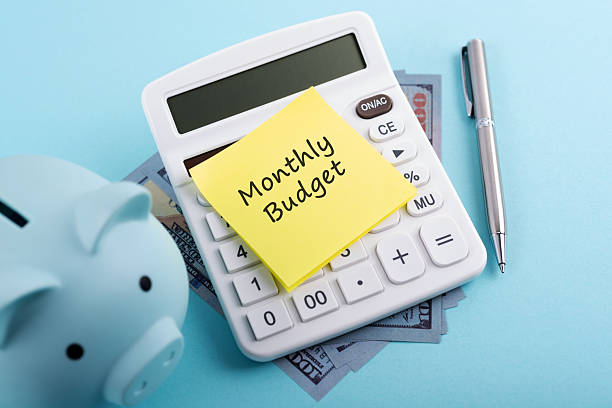
A zero-based budget sounds like extra homework. It means you give every dollar a job before you spend it. Income minus bills, groceries, gas, fun, and savings equals zero. Not zero in your account; zero unassigned. For people paid hourly, tipped, commissioned, or with overtime that comes and goes, it feels impossible. How do you assign dollars you haven’t earned yet? You don’t. You build the budget around a baseline, then adjust as money arrives.
Start with your lowest realistic monthly income. Look at the last six months. Find the smallest amount you brought home in a normal month. If you’re new to the job, use a conservative guess. That number is your baseline. Build essentials on it: rent, utilities, insurance, minimum debt payments, food, transportation, and a small amount for personal needs. If the baseline doesn’t cover essentials, you have a bigger issue than budgeting. You need more hours, a roommate, a cheaper car, or a temporary side gig. A zero-based budget won’t fix an income gap, but it will show it fast.
Once essentials are covered by your baseline, every extra dollar above that baseline gets a job too. This is where zero-based budgeting shines for variable income. When you get a bigger check, don’t let it evaporate into takeout and impulse buys. Before you spend, split it on purpose. Put some toward the next bigger bill, some toward a sinking fund for car repairs or holidays, some toward debt, and some toward guilt-free fun. The goal is not to punish yourself; it’s to tell your money where to go so it doesn’t wander off.
A buffer changes everything. Try to keep one month of essential expenses in a separate savings account. That sounds huge, so start smaller. Aim for one week of essentials, then two, then a month. This buffer smooths irregular pay. In a skinny week, you pull from the buffer instead of using a credit card. In a fat week, you refill it. That habit keeps you from carrying junk credit card balances that quietly wreck your credit score. You don’t need a pricey financial manager. You need a simple account and a rule: the buffer is for smoothing income, not for sneakers.
Set a 15-minute money date weekly. Same day, same time, phone timer on. Open your banking app. Check what came in and what’s left in each category. Move money around. If you spent more on groceries, take it from fun. If you spent less on gas, send it to savings or debt. A zero-based budget is not a set-and-forget spreadsheet. It’s a living plan. Weekly beats monthly because irregular income changes fast. Fifteen minutes a week is cheaper than stress and a late fee.
Use categories that match real life. Don’t make 40 tiny lines. Make broad buckets: housing, utilities, food, transportation, debt, savings, and fun. Then add sinking funds for things that pop up: car registration, birthdays, medical copays, annual subscriptions. If you get paid weekly, you can still budget monthly. Divide essential monthly costs by four. Each week, fund that week’s slice first. If a fifth paycheck shows up, that’s bonus money. Send it to savings, debt, or a planned splurge. Regular pay funds the boring stuff; extra pay builds breathing room.
Don’t ignore credit. A zero-based budget protects your credit by keeping payments on time and balances low. Set autopay for at least the minimum on every debt, then budget extra manually when you have it. Check statements and credit reports for errors. If you’re using buy-now-pay-later for groceries or gas, that’s a warning sign. Your baseline is too tight. Adjust the budget or adjust the income.
Finally, expect imperfect months. You will forget a bill. You will overspend on a birthday. You will get a smaller check. That’s normal. Shame won’t help. The fix is a quick reset: cover essentials first, refill the buffer next, pay minimums on time, and cut fun until the next check. Zero-based budgeting with variable income is not about predicting every dollar. It’s about deciding before you spend, adjusting without drama, and keeping your credit clean while you build savings. Do that, and irregular pay stops running your life. You run it.