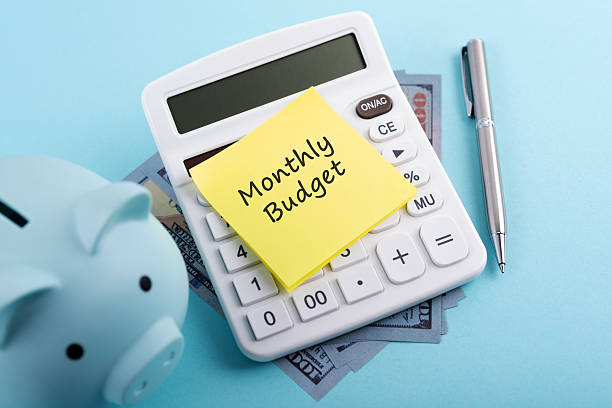


Zero-based budgeting is a simple idea with a strict rule: every dollar you expect to earn gets assigned a job before you spend it. Instead of looking at last month’s spending and tweaking a few numbers, you start from zero and build a plan for the money you actually have coming in. Rent, groceries, gas, phone, insurance, debt payments, savings, and even fun money all get a specific amount. When income minus assignments equals zero, your budget is balanced. That zero does not mean you have no money. It means no dollar is left floating without a purpose. For people who work for a living and don’t want to spend evenings in spreadsheets, the appeal is clarity: you decide in advance what matters, and you stop wondering where your paycheck went.
The method works best when you treat it as a cash-flow plan, not a punishment. Start with the income you can count on. If your pay is steady, use your take-home pay after taxes and deductions. If your income changes from week to week, budget only the money you have already received or know is coming before the next payday. Then list the non-negotiables first: housing, utilities, food, transportation, insurance, minimum debt payments, and any court-ordered or payroll obligations. After that, fund the things that keep you out of junk credit: a starter emergency fund, on-time payments, and enough savings to cover irregular costs like car repairs, medical bills, and annual fees. Only then do you assign money to dining out, subscriptions, hobbies, and other flexible spending. The order matters because it protects your basics before your impulses get a vote.
A zero-based budget is not about predicting every penny perfectly. It is about making a decision now so future you is not guessing. Give every category a number, even if that number is zero. If you know you will spend forty dollars on streaming services, write forty dollars. If you want to cut streaming to ten dollars, write ten and cancel or pause the rest. If you have a category called “stuff I forgot,” fund it on purpose. A small buffer for mystery expenses is smarter than pretending surprises never happen. When the month ends, compare what you planned with what actually happened. You do not need a fancy app. A notes file, a spreadsheet, or a paper worksheet works. The key is to update the plan when reality changes, not to quit because week one did not go perfectly.
The biggest mistake people make is building a budget that is too detailed. You do not need twenty-seven categories to control your money. Use broad groups that match your life: housing, food, transport, bills, debt, savings, and fun. Add detail only where you keep overspending. Another mistake is forgetting irregular expenses. Oil changes, school supplies, holidays, registration fees, and car insurance can wreck a tight plan if you ignore them. Divide those costs by twelve and set aside a monthly amount, or create a sinking fund for each one. That way, a big bill becomes a boring transfer instead of a credit card emergency. Debt payments deserve the same respect. If you are carrying balances, budget more than the minimum whenever possible and stop using credit for categories that are already funded. A zero-based budget should make your credit card a tool you pay off, not a gap filler. Review subscriptions and automatic payments every payday, because small recurring charges drain a plan quietly and are easy to forget until the balance looks wrong. Keep all receipts or quickly check your own bank app once each week so the plan reflects real life, not last month’s guess.
The real benefit is not a perfect spreadsheet. It is fewer surprises. You know what is safe to spend, what is already promised, and what needs to wait. You can make faster decisions at the store because the answer is already in the plan. You can save for goals without relying on willpower alone. You can catch a shortfall early, before it becomes a late payment. Try it for one pay period. Give every dollar a job, keep the categories simple, and adjust without drama. A budget you can repeat is worth more than a perfect one you abandon. Zero-based budgeting simply asks you to spend on purpose, save on purpose, and leave nothing to chance.