Whole Life Insurance

shape shape
image

The Art of Prudent Uncertainty

At its core, personal finance is not merely the pursuit of wealth but the sophisticated management of uncertainty. Risk management is the disciplined ...

Read More
image

The Complex Merger of Protection and Investment

Within the sphere of personal finance, few products generate as much debate as whole life insurance. It is a type of permanent life insurance that pro...

Read More
image

Exploring Alternative Investments

In the landscape of personal finance, the traditional pillars of a robust portfolio have long been stocks, bonds, and cash. While these assets provide...

Read More
image

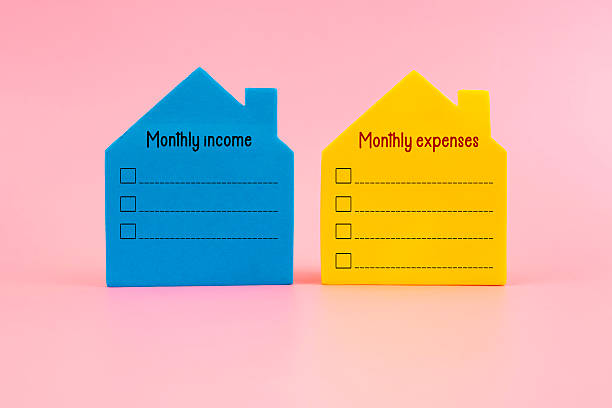
Learning the 50-30-20 Rule

Personal finance is the cornerstone of a secure and intentional life, far exceeding the simple act of balancing a checkbook. It is the practice of man...

Read More
image

Asset Allocation: Building a Resilient Financial Future

Personal finance extends far beyond simply earning and spending money; it is the strategic management of one’s resources to build security and achie...

Read More
image

Navigating the Road of Auto Loans

For many individuals, acquiring a vehicle is not just a convenience but a necessity, yet the financial path to ownership is often paved with debt. The...

Read More
FAQ

Frequently Asked Questions

While a longer term lowers the monthly payment, it keeps you in debt longer, increases the total interest paid dramatically, and almost guarantees you will be upside-down for most of the loan's life.

Yes. Credit scoring models weigh recent behavior more heavily. As negative items age, consistently adding positive information like on-time payments and low balances will gradually improve your score.

If the income shock leads to insurmountable debt with no realistic repayment possibility, bankruptcy may provide a legal path to debt relief and a fresh start.

Yes, a maxed-out card with a $500 limit hurts your individual card utilization just as much proportionally as a maxed-out card with a $5,000 limit. Both will negatively impact your score.

Good Debt: Debt that invests in your future or builds assets, like a reasonable mortgage or student loans that significantly increased your earning potential (low interest, tax advantages). Bad Debt: Debt used for depreciating assets or consumption, like credit card debt from vacations or clothes (high interest, no lasting value).