

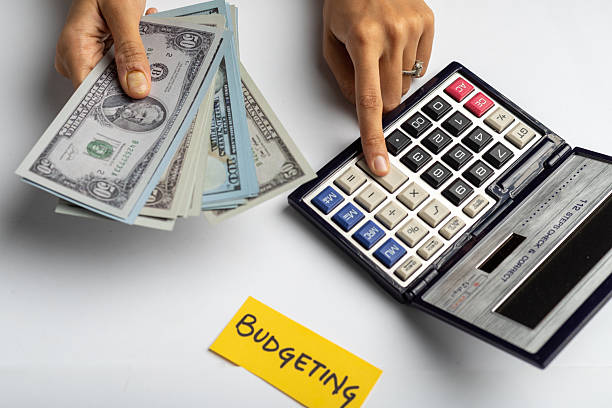
Prepaid cards look simple: load money, spend money, done. That simplicity can help busy people stay out of debt. They are not credit cards. You can only spend what you put on them. If the balance is zero, the card declines. No interest. No minimum payment. No credit score damage from a late payment. For someone paid hourly or biweekly who doesn’t have time to budget like an accountant, that is a useful guardrail. But prepaid cards are not automatically a good deal. Some are loaded with fees that quietly shrink your balance. Use them wisely and they become a tool. Use them carelessly and they become another junk credit habit.
The first rule is to read the fee schedule before you load a dollar. You want to know the monthly fee, reload fee, ATM fee, balance inquiry fee, inactivity fee, and customer service fee. If a card charges a dollar here and two dollars there, it can cost more than a bank account. A card with no monthly fee and free direct deposit is usually better than one with a low activation fee but endless maintenance charges. Do the math with your actual habits. If you reload with cash twice a month and use out-of-network ATMs four times, a cheap-looking card can cost you fifteen dollars monthly.
Second, use direct deposit if you can. Many prepaid accounts waive monthly fees when you set up recurring direct deposit from your job or benefits. That one move often turns a mediocre card into a decent one. But do not direct deposit your entire check just because the app looks nice. Keep a backup. A prepaid card can be frozen, lost, or hit by a glitch. You need a regular bank or credit union account for savings, bills, and emergencies. Treat the prepaid card as a spending tool, not your whole financial life.
Third, do not use prepaid cards to build credit unless the card specifically reports to the major credit bureaus. Most do not. Paying a prepaid card on time does nothing for your credit score because you are not borrowing money. If your goal is to build credit, a secured credit card or a credit-builder loan is usually the better path. A prepaid card can help you avoid new debt, but it will not fix old credit. Check the fine print. If it does not report to Equifax, Experian, and TransUnion, it is not a credit-building product.
Fourth, use prepaid cards to create simple spending limits. This is where they shine. Load your grocery budget for the week and leave the card at home when you go out. Put subscription money on one card and keep your main account safe from surprise renewals. For adults, the trick is to separate spending from saving. When the prepaid balance is gone, it is gone. That forces a pause. That pause is where good money habits live. You do not need a fancy budget app with seventeen categories. You need one card for groceries, one for fun, and a rule: when it is empty, you wait until payday.
Fifth, protect the card like cash. Prepaid cards do not have the same legal protections as credit cards in every situation, though many major brands offer zero liability for unauthorized transactions if you report quickly. Register the card, set up alerts, and use a virtual card number for online purchases when available. Avoid loading money from a credit card, because that often triggers a cash advance fee and interest. Avoid overdraft-style features on prepaid cards. The whole point is that you cannot overspend. If a card offers to cover a purchase for a fee, turn it off. That is a trap with a friendly name.
Finally, review your prepaid card every month. It takes five minutes. Look at fees, reloads, and subscriptions. If the card is costing you more than a basic bank account, switch. If you are using it to dodge your real budget, stop. Prepaid cards are best when they are boring, cheap, and temporary. They can help you control cash, avoid credit card debt, and keep your paycheck from disappearing into small purchases. Use them with clear eyes, and they will do their job without becoming another piece of junk in your wallet.