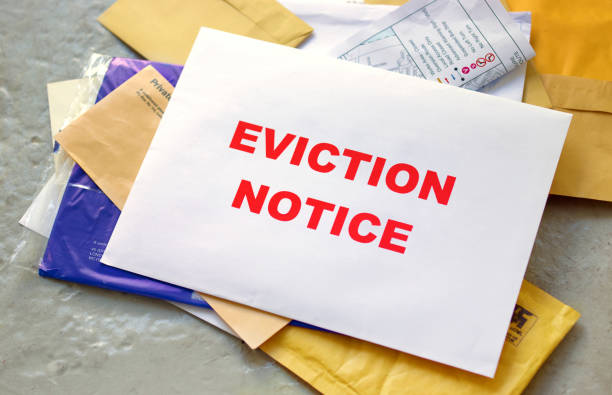


Financial anxiety thrives in the dark. When you avoid looking at your bank account because you’re scared of what you’ll see, that fear grows. It feeds on mystery. The busy working person’s trap is thinking you need a full afternoon and a fancy spreadsheet to get your money straight. You don’t. What you need is a tiny, repeatable habit that drags your finances into the light. The two-minute money check-in is that habit. It’s not about budgeting every dollar or tracking every latte. It’s about reducing the unknown, which is the fuel for most money worry.
Here’s the no-nonsense version: once a day, at a set time, open your banking app. Look at your checking account balance and recent transactions. That’s it. Two minutes, max. Don’t analyze. Don’t judge. Don’t start moving money around unless something is clearly wrong, like a double charge or an overdraft fee. You’re just checking in. Why does this work? Because anxiety loves a blank screen. When you force yourself to look, you replace vague dread with specific facts. A specific fact might be “I have $83 until Friday.“ That’s not fun, but it’s manageable. You can plan around $83. You cannot plan around “I’m probably broke and doomed.“ The first is a problem with solutions. The second is a panic attack.
Most people avoid checking their accounts because they’re afraid of feeling bad. But here’s the twist: the bad feeling is already there. You’re just not naming it. When you check your balance, you might feel a quick sting of regret or stress. But then it fades. The chronic, low-grade anxiety that hums in the background all day? That’s worse. It steals your focus at work, ruins your sleep, and makes you snap at your partner. A two-minute sting is better than a twelve-hour hum. That hum is the enemy, not your bank balance.
You also need to separate worry from action. Financial anxiety often masquerades as productivity. You lie awake running scenarios: “What if my car breaks down? What if I get laid off? What if I never pay off my student loans?“ That’s not planning. That’s spiraling. Planning has a next step and a deadline. Spiraling just loops. The two-minute check-in helps you tell the difference. If you see a real problem in your account, you take one small action: set up a transfer, call the bank, cancel a subscription. If you don’t see a problem, you close the app and go live your life. You don’t get to worry about hypotheticals during your check-in. Write them down if you must, then set a fifteen-minute “worry window” later in the week. Most worries shrink to nothing when you actually look at them. That’s the only rule.
Another pragmatic move: automate the boring stuff so your check-in stays clean. Set your bills to autopay. Set a recurring transfer to savings, even if it’s five bucks. Use your bank’s alerts to text you when your balance drops below a number you choose. That way, your two-minute check-in becomes a confirmation, not a fire drill. You’re not managing your money with heroic effort. You’re managing it with small, consistent glances. Small moves beat big plans.
Finally, stop comparing your inside to other people’s outside. Social media is a financial anxiety factory. Your coworker’s vacation, your cousin’s new truck, that influencer’s “passive income” screenshot. None of that is your business. Your only job is to know your own numbers and make one small improvement per month. If you check your balance daily for thirty days, you’ll start to see patterns. You’ll notice that your anxiety spikes before payday, or that you overspend on weekends. That awareness is power. It lets you adjust without shame. Comparison is the thief of financial peace.
Financial anxiety doesn’t disappear because you ignore it or because you finally earn six figures. It shrinks when you stop treating your money like a scary monster in the closet and start treating it like a tool you check on regularly. Two minutes a day. No spreadsheets. No judgment. Just facts. That’s how you build a money mindset that works for you, not against you. Keep it simple and consistent, and start today. Go. Now.