

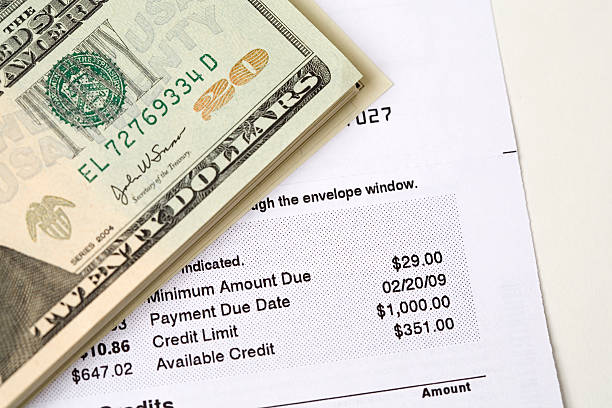
Most credit problems don’t start with a math mistake. They start with a feeling. You see someone’s vacation, kitchen remodel, or new truck on your feed, and suddenly your own life feels behind. That feeling gets expensive fast. A few clicks later, you’re financing something you didn’t want last week, and your credit report is holding the receipt. If you want to keep junk credit off your record, you don’t need a pricey financial planner or a complicated spreadsheet. You need a working relationship with gratitude and contentment.
Contentment is not pretending you don’t want more. It’s knowing the difference between a goal and a craving. A goal has a plan, a timeline, and a reason. A craving just needs relief. Credit card companies and buy-now-pay-later apps are very good at turning cravings into monthly payments. They make the purchase feel small and the payment feel far away. Gratitude interrupts that process. When you take ten seconds to name what’s already working—your paycheck, your paid-off phone, the car that starts—you lower the emotional temperature. You give yourself enough breathing room to ask, “Do I actually want this, or do I just want to feel different for five minutes?“
That question matters because credit damage is rarely one dramatic disaster. It’s usually a pile of small, reasonable-sounding decisions. You put dinner on the card because payday is Friday. You finance the new phone because the old one is cracked. Each choice feels manageable alone. Together, they push your utilization up, your payment history gets shaky, and your score starts to look like a junk drawer. Gratitude helps you stop treating every minor inconvenience as an emergency.
A practical way to use this is to create a “good enough” list. Not a list of things you’re settling for forever—just the things that are already good enough today. Your current phone takes pictures and makes calls. Your current car gets you to work. This isn’t about never upgrading. It’s about upgrading on purpose, when you’ve saved for it, instead of borrowing because comparison made you twitchy. The less you finance your image, the less room there is for junk credit.
Gratitude also helps with the comparison trap. Social media is a highlight reel funded by debt in a lot of cases, and you never see the statements. What you do know is your numbers. A simple weekly check-in—five minutes, once a week—can do more for your credit than scrolling. Look at your balance, your upcoming bills, and your automatic payments. Then name one thing you’re grateful you didn’t buy this week. Maybe it’s the impulse purchase you skipped, the subscription you canceled, or the credit card offer you ignored. That’s not deprivation. That’s keeping your future options open.
Contentment also makes you a harder target. When you’re satisfied with enough, you don’t need the extra card for the points you’ll never use. You don’t need to finance a vacation that will be paid off after the memories fade. You don’t need to cosign for somebody else’s dream because you feel guilty saying no. You can still be generous, but generosity works better when it’s not borrowed at 29.99 percent. A grateful mindset makes it easier to say, “I’m good for now,“ and mean it.
None of this requires a finance degree or a monthly subscription. It requires honesty and repetition. Before you click “buy now” or hand over a card, ask whether you’re solving a real problem or soothing a comparison. Before you open a new credit line, ask whether you can pay the statement in full when it arrives. Before you upgrade your life, ask whether your current setup is actually broken or just unfashionable.
Your credit score is a record of your habits, not your worth. But your habits are shaped by what you tell yourself about what you need. Practice gratitude for what’s working. Practice contentment with enough. Then spend and borrow deliberately. That’s how you keep your credit clean, your payments manageable, and your options open—without hiring anyone to manage your money for you.