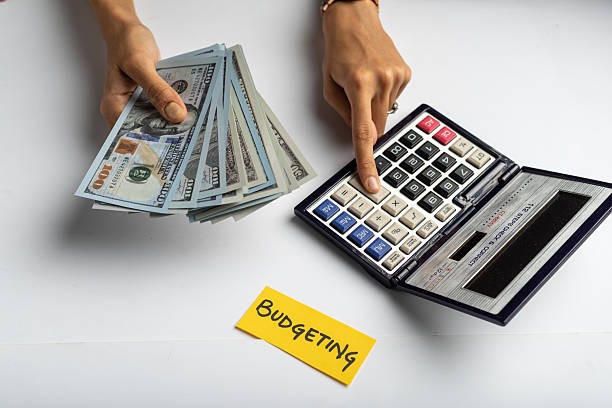


A financial boundary is a rule you make in advance about what you will and won’t do with your money. It sounds formal, but it’s really about protecting your rent money, your credit, and your sanity from other people’s emergencies and your own impulse moments. You don’t need a finance degree or an expensive money manager to use them. You need a few clear rules, a short script for saying no, and the willingness to repeat yourself without apologizing for having a budget.
Start with the most common leak: other people’s expectations. Friends invite you to $80 dinners, relatives ask for “a quick loan,“ and coworkers plan birthday gifts you didn’t budget for. If you decide in the moment, guilt usually wins. Decide before you go. Pick a number you can spend on social plans each month and treat it like gas in your car. When it’s gone, you don’t shame yourself; you change plans. “I’m keeping it low-key this month” is a complete sentence. If someone pushes, repeat the same line in a flatter voice. You don’t owe anyone a tour of your bank account.
Lending money is where boundaries get tested hardest. A useful rule is simple: only lend what you can afford to lose, and put a written date on it. If you can’t afford to lose it, say no. A clean no is kinder than a yes that turns into resentment. Try, “I can’t lend money, but I can help you think through options.“ Or, “I’m not able to do loans anymore.“ You don’t need to explain the reasons. The more you explain, the more you invite negotiation.
Boundaries also belong inside your own head. Set a 24-hour rule for any purchase over a number that feels real to you, whether that’s $50 or $200. Add the item to a cart, close the tab, and sleep on it. Most impulse buys lose their shine by morning. Unsubscribe from store emails, turn off one-click checkout, and delete saved card numbers from shopping apps. This isn’t about willpower; it’s about removing the trapdoors. If your phone makes spending too easy, make it a little harder. Friction is a boundary in disguise, and it works even when you’re tired. One small delay can save you a week of real stress.
Give yourself a weekly money check-in that takes ten minutes. Look at your balance, your upcoming bills, and any weird charges. Ten minutes is cheaper than a late fee and faster than repairing damaged credit. Put the check-in on your calendar and treat it like a dentist appointment. When you know what’s coming, you stop making fear-based decisions. You also catch subscriptions you forgot about, which are tiny boundaries that drain quietly.
Credit needs boundaries too. A credit card is a tool, not extra income. Decide what the card is for, such as gas or groceries, and pay it off every month if you can. Keep your oldest account open if it has no fee, because length of credit history matters. Set alerts for every purchase and for due dates. Use autopay for at least the minimum, then pay more when you can. Never let a “treat yourself” moment become a 22% interest habit. If you’re carrying a balance, stop using the card until it’s paid down. That’s a boundary, not a punishment.
At work, boundaries protect your time and your money. If you’re paid hourly, know your cut-off for extra shifts. If you’re salaried, know when “just one more email” starts costing you sleep and takeout. Packing lunch and keeping a water bottle nearby sounds boring, but boring saves real money. You don’t need a pricey meal plan; you need a default. Choose two cheap meals you can make without thinking, and repeat them. Defaults beat motivation when you’re tired.
Finally, practice saying no before you need to. Write three short lines you can use without thinking: “That’s not in my budget,“ “I’m not lending money right now,“ and “I need a day to think about it.“ Rehearse them. Boundaries get easier with repetition, not perfection. You will mess up. You will overspend and say yes when you meant no. The fix isn’t shame; it’s returning to the rule. Your money should serve your life, not your guilt. Set the boundary once, then let it do the work while you live your life.