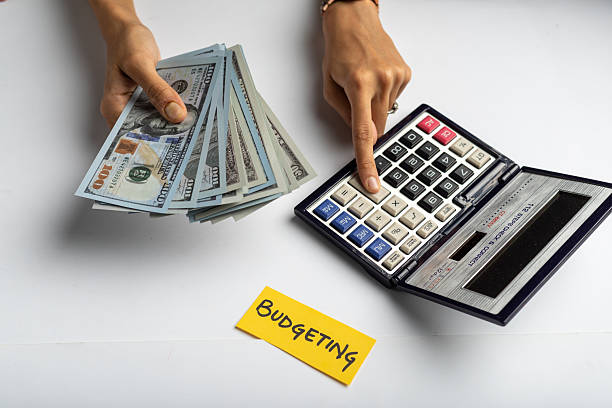


Your friends are not the problem. The problem is the monthly ritual that quietly drains your account: the last-minute dinner, the weekend trip, the round of drinks you did not plan for, the group gift that costs more than your electric bill. You want to be social. You want to be generous. But you also want rent paid, savings growing, and debt shrinking. Those goals do not make you cheap. They make you an adult with a plan.
Behavioral finance says social pressure is one of the most expensive forces in your life. It does not show up as a line item called “peer pressure.“ It shows up as a $70 dinner you did not enjoy because you were calculating your balance the whole time. It shows up as saying yes when your gut says no. The fix is not to become a hermit. The fix is to set money boundaries before the moment arrives, not in the moment when everyone is looking at you.
Start with a number that is yours. Not your friend’s number. Not the influencer’s number. Not the imaginary version of you who has no student loans. Decide what you can spend on fun each month without touching bills, savings, or debt payments. That number can be small. The amount matters less than the honesty. Once you know your number, you stop negotiating with yourself every time someone texts, “You in?“ You already have an answer.
Then decide your non-negotiables. Maybe you do not do spontaneous weekend trips. Maybe you do not cover tabs. Maybe you do not lend money to friends or family without a written plan and a real date. Maybe you do not go into debt for birthdays, weddings, or bachelor parties. These are not insults. They are policies. Policies protect you from regret. They also protect your relationships from resentment. The fastest way to lose a friend is to keep saying yes until you secretly hate them.
The hard part is saying no without giving a speech. Most people over-explain because they feel guilty. But a long explanation invites debate. Keep it short. “I’m sitting this one out, but have fun.“ “That’s not in my budget right now.“ “I can do coffee, not dinner.“ “I’m not lending money anymore, but I can help you think through options.“ You do not owe anyone your bank statement. You owe them respect, and you owe yourself the same.
Offer an alternative when you actually want to hang out. Boundaries are not rejection. They are redirection. If dinner at the expensive place is the plan, suggest tacos, a walk, a free event, or hosting at home. If the group trip is out of reach, say you will join for one night or skip it this year. If friends always pick pricey spots, be the person who suggests something cheaper first.
Watch the stories you tell yourself. “If I don’t go, they’ll think I’m broke.“ “If I don’t pay, I’m a bad friend.“ No. A bad friend is someone who expects you to go broke for their comfort. “I’ll catch up next month.“ That is how debt becomes a personality. Your money mindset is built in small moments, not big speeches. Every time you choose your goal over the group, you strengthen the muscle.
Make boundaries automatic where you can. Move savings out of your checking account on payday. Use a separate card or account for fun money. Leave the credit cards at home when you go out. Tell your close friends what you are working toward. “I’m paying off my car this year, so I’m doing cheap hangouts.“ That is not a confession. It is a boundary.
Finally, accept that some people will not like it. That is information. Friends who respect you will adjust. Friends who only value your swipes will fade. You are allowed to be generous with your time, your attention, and your encouragement without being generous with money you do not have. The goal is not to win the award for most agreeable friend. The goal is to build a life where your social life and your financial life can coexist. Set the boundary once, hold it kindly, and let it do the work.