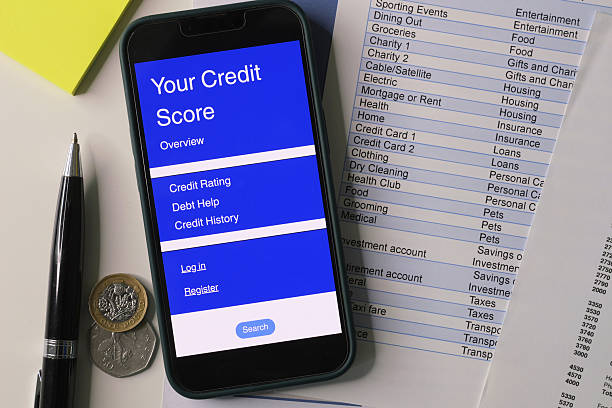


Bad credit is not a moral failing. It is a math problem, a timing problem, or a season of life that got expensive. You worked hard, paid what you could, and still ended up with rates that make you feel like you are being punished for being alive. That is frustrating. But it is also fixable. You do not need a pricey financial manager or a hundred hours of research. You need a simple plan you can run in the margins of a busy week, and you need to protect your dignity while you do it.
Start with the truth. Pull your credit reports from the three major bureaus for free, and look for errors. Wrong balances, accounts that are not yours, late payments that should not be there, duplicate collections. Dispute those. This is not a hack. It is basic maintenance. If you find a mistake, send the bureau a short letter with proof. Keep a copy. Do not pay anyone to do this for you. You can do it on your lunch break.
Then face the damage you cannot dispute. Write down every debt that is hurting you. Not to shame yourself, but to see the board. Rent, car note, utilities, student loans, credit cards, medical bills, collections. You are looking for minimum payments, due dates, and interest rates. If that feels overwhelming, do it once. Ten minutes. Then put it away. The goal is not to feel bad. The goal is to know what you are dealing with so you can stop avoiding it.
Next, protect the four things that matter most. Pay your rent or mortgage, keep the lights on, keep insurance active, and make your minimum debt payments. Everything else waits. You cannot rebuild credit if you are homeless or your car is repossessed. Dignity means keeping a roof over your head and food on the table before you try to impress a credit score. Once those basics are handled, add one extra payment to the smallest debt or the highest-interest debt. Pick one method and stop debating it. Small wins build momentum.
If you are behind on payments, call the creditor before you send money. Ask about hardship programs, lower interest rates, or payment plans. Be honest. “I can pay this much on this date. Can we make that work?“ Many companies would rather work with you than send your account to collections. Get the agreement in writing if you can. If you feel ashamed, remember that they are a business and you are a customer. This is not begging. It is negotiating.
For your future, you need positive credit history, not just old wounds. If you can qualify for a secured credit card, use it for one small recurring bill, set autopay for the full balance, and leave the card at home. Keep your credit utilization under 10 percent if possible, and never miss a payment. If you cannot get a secured card, ask a trusted family member to add you as an authorized user on a card they pay on time. They do not have to give you the card. You just need the history. Be clear about the arrangement and do not abuse it.
As your score improves, do not rush to finance a new car or a bunch of furniture. The point of better credit is options, not more payments. Build a starter emergency fund of five hundred dollars, then one thousand. That cushion is what keeps a flat tire or a medical bill from turning into another collection. Automate a small transfer every payday, even if it is ten dollars. You will not miss what you do not see.
Finally, check your reports every few months. Keep old accounts open if they have no annual fee. Pay on time. Lower balances. Wait. Credit repair is boring by design. The dramatic stuff, like credit repair mills and rapid score schemes, usually costs money and creates new problems. The quiet stuff, done consistently, changes your future.
You are not your credit score. You are a person with a plan. Bad credit may be part of your past, but it does not get to write your future. Keep it simple, keep it moving, and give yourself credit for showing up.