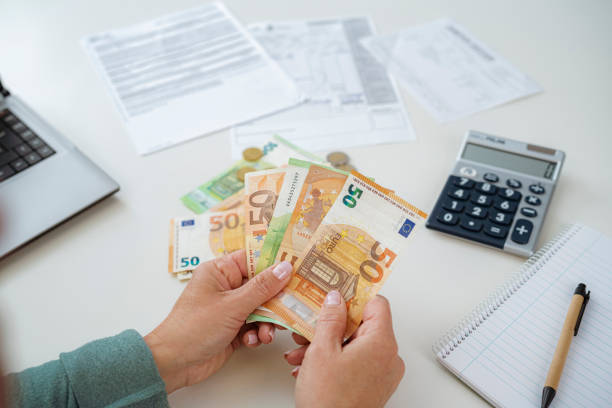


If your savings are sitting in a checking account earning almost nothing, you are not alone. Most working people do not have time to hunt for the best rate or move money every month. That is why a high-yield savings account is worth a few minutes. It is not a magic investment. It is a boring, safe place for cash you might need soon, and it pays more than your big-bank checking account. The goal is simple: build a cash cushion so a flat tire or surprise bill does not become a credit card balance you carry for years.
A high-yield savings account is still a savings account. Online banks and credit unions keep costs low, so they can pay more interest. Your money stays liquid, meaning you can transfer it when you need it. It should be insured by the FDIC or NCUA. The “high yield” part just means the annual percentage yield is much higher than the 0.01% many traditional banks pay.
Here is the credit connection. A healthy savings balance keeps you out of junk credit. When you have cash set aside, you do not have to put an emergency on a credit card and hope you can pay it off before interest hits. You do not run your checking account so close to zero that an overdraft fee pushes you into a debt spiral. Payment history and credit utilization are the two biggest pieces of your credit score. A savings buffer protects both. It helps you pay on time and keeps balances low, which is how you stay attractive to lenders without paying for a financial manager.
Opening one takes less time than a lunch break. Look for an account insured by the FDIC or NCUA. Then check monthly fees, minimum balance requirements, transfer limits, and whether the bank has a decent app. Do not chase a rate that is a fraction higher if the website feels sketchy or customer service is impossible to reach. A good rate matters, but a reliable account you will actually use is better. You will need your Social Security number, a government ID, and a way to fund the account, usually by linking your checking account. Many accounts let you start with twenty-five dollars or less.
Once it is open, automate the habit. Set up a recurring transfer for the day after you get paid. Start with an amount you will not miss, even twenty dollars. Name the account something that reminds you what it is for, like Emergency Fund or Car Repair. If you get a raise, increase the transfer by half the raise. Your first target is one thousand dollars. After that, aim for three to six months of essential expenses. Keep one month of bills in checking so you do not overdraft, and let the rest sit in the high-yield account. That is the whole system.
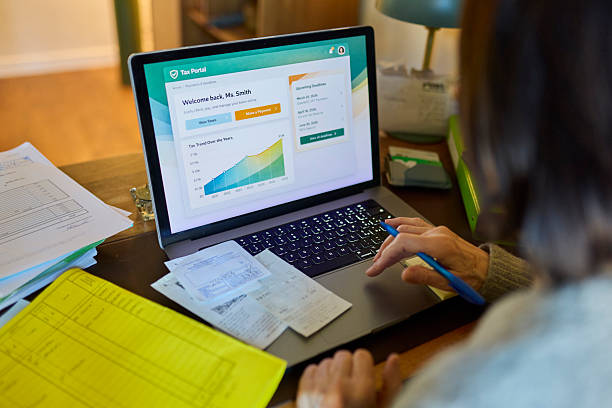
Do not overcomplicate it. You do not need five savings accounts or a daily rate watch. Interest rates move up and down with the economy, and your account’s rate will change too. That is normal. The habit of saving matters more than squeezing out an extra tenth of a percent. Remember that interest you earn is taxable, so it will show up on a tax form. Also remember that savings accounts do not directly build credit. They build the cash foundation that keeps your credit from getting wrecked. If you are saving for a short-term goal, keep it in the high-yield account. If you are investing for retirement decades away, that is a different job for different accounts.
Security is simple, too. Use a strong unique password, turn on two-factor authentication, and check your statements once a month. No real bank will ask for your password by email or text. If something looks wrong, call the number on the bank’s official website. Then go back to your life. The best financial move is often the one you set up once and forget. Open the high-yield savings account, automate a small transfer, and let it grow. Your future self will have more options and less junk credit because you did one boring thing today.