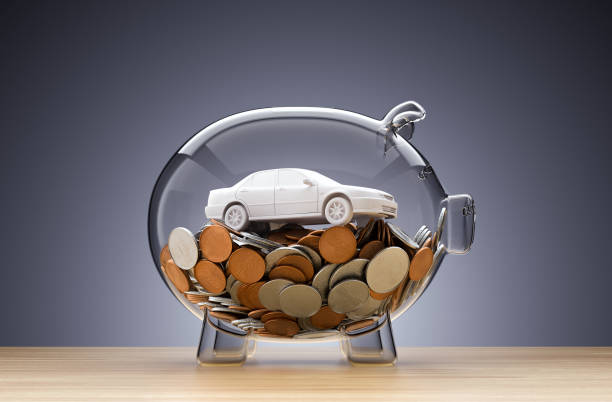


You already know the math: every time you swipe a credit card, you’re borrowing money you haven’t earned yet, and the interest clock starts ticking. But knowing that and actually stopping are two different things. The problem isn’t that you’re irresponsible. The problem is that credit cards are frictionless by design. They live in your phone, your browser, and your wallet, and they make spending feel abstract. To stop using them, you don’t need more willpower. You need more friction. That’s the whole game.
The first move is to make your cards hard to reach. Not impossible—just annoying enough that your brain has time to catch up. Delete every saved card number from your phone’s digital wallet, your browser autofill, and every shopping app you use. If a store has your card on file, log in and remove it. This takes twenty minutes and kills the one-tap purchase habit that got you here. Keep only your debit card and maybe one physical credit card in your wallet—and if that card is the problem, leave it at home in a drawer. Some people freeze theirs in a block of ice. That sounds silly until you’re standing in a checkout line wanting to buy something you don’t need. The ice wins.
Next, switch your daily spending to cash or debit for thirty days. This is not about being old-fashioned. It’s about reconnecting the feeling of spending with the feeling of money leaving your account. When you pay cash, you see the money go. When you use a debit card, the balance drops in real time. You’ll start noticing small leaks—the $6 coffee, the $12 lunch, the $30 impulse buy at Target—that credit cards made invisible. Give yourself a weekly cash allowance for discretionary spending. When it’s gone, it’s gone. That’s not a punishment. That’s a clear boundary, and boundaries are easier to follow than vague promises to “be better.”
You also need to handle the emotional triggers that make you reach for a card. For most people, credit card spending isn’t about the thing you’re buying. It’s about stress, boredom, or reward. So before you start your no-swipe month, write down the three situations where you’re most likely to spend: late at night, after a bad day at work, when you’re scrolling social media, or when you’re out with friends. Then make a plan for each one. For late-night scrolling, delete the shopping apps from your phone and log out of retail sites. For after-work stress, keep a list of free alternatives—a walk, a podcast, a shower, calling a friend. For social pressure, tell people plainly: “I’m doing a cash-only month.” Most friends won’t care, and the ones who do aren’t worth impressing.
If you’re married or partnered, tell your partner what you’re doing. If you live alone, tell a friend. Accountability is not about being scolded. It’s about having someone ask, “Did you make it through the week?” That one question can stop a late-night purchase faster than any budgeting app.
Now, here’s the part nobody wants to hear: if you have existing credit card debt, you can’t just stop using the cards and ignore them. You still need to pay at least the minimum on every card every month, on time. The goal is to stop adding new charges, not to stop paying. Set up autopay for minimums so you never miss a due date. Then, once you’ve gone thirty days without using your cards, take the money you would have spent on credit and throw it at the highest-interest balance. Even $50 extra a month makes a dent.
You will slip. Maybe not in week one, but eventually. When you do, don’t turn it into a shame spiral. Just put the card back in the drawer, remove it from your phone again, and restart the clock. The point isn’t perfection. The point is breaking the automatic habit of borrowing for everyday life. After a few weeks, you’ll notice something surprising: you’re not deprived. You’re just spending on purpose. That feeling is worth more than any points or cashback.