
Closing costs are the second price tag on your mortgage. Everyone stares at the interest rate, then acts surprised when they need another five or ten grand at closing. That surprise is how people get stuck with junk credit and empty savings. You need a loan estimate, a sharp eye, and the willingness to ask uncomfortable questions.
Within three business days of applying for a mortgage, your lender must send you a Loan Estimate. Read page two first. That is where the closing costs live. Compare each line to what the loan officer told you. If you only look at the monthly payment, you are asking to be overcharged. Ask for an itemized list in plain English. If nobody can explain why a fee exists, that fee is a problem.
Not every closing cost is fixed. Some are set by the lender, some by third parties, and some by the government. You can shop for title insurance, settlement agent, survey, and pest inspection. Ask whether you can choose your own title company. Get two or three quotes. The difference can be hundreds or thousands.
You also have leverage before you are locked in. Ask for lender credits to cover closing costs in exchange for a slightly higher interest rate. If you plan to stay in the home only a few years, credits can be the smarter move. If you plan to stay for decades, a lower rate usually wins. Ask the seller for concessions, especially if the home has been sitting. Be specific. “Can you cover $5,000 of closing costs?“ works better than “Can you help?“
Then there are junk fees. Application fees, processing fees, underwriting fees, document preparation, courier, email, wire, rate lock, and administration fees can add up fast. Some are legitimate. Some are padding. Ask what each fee is for and whether it can be reduced or removed. If the answer is “everyone pays it,“ push back.
Shopping around for a mortgage matters, but do it right. Multiple mortgage inquiries within a short window, usually forty-five days, count as one for credit scoring. Get competing Loan Estimates close together. Do not let fear of a credit dip stop you from comparing offers. A few points of interest rate matter far more than a temporary inquiry.
Three business days before closing, you get the Closing Disclosure. Compare it line by line to your Loan Estimate. If a fee went up, ask why. Some fees cannot increase at all. Some can increase up to ten percent. If something looks wrong, say so. You can delay closing if needed. Do not sign documents just because you are tired and the moving truck is packed. Verify wire instructions by phone using a number you know, not one from an email. Wire fraud is real and brutal.
While your loan is being underwritten, protect your credit like it is your paycheck. Do not open a new credit card, finance furniture, buy a car, or max out existing cards. Lenders often re-pull your credit before closing. A new payment can wreck your approval or raise your costs. Keep accounts open, pay on time, and keep balances low. Paying closing costs with a credit card or a high-interest loan is how good intentions turn into junk credit.
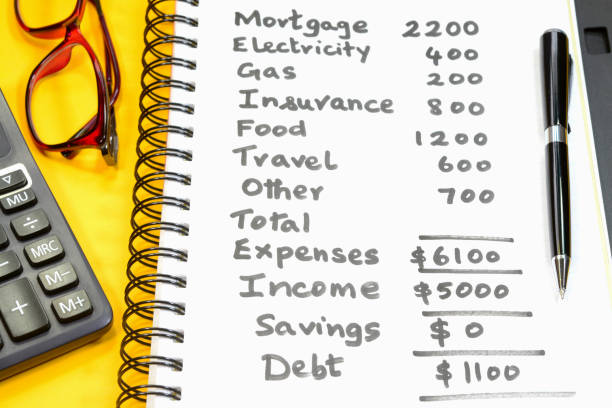
Budget more than the Loan Estimate suggests. Closing costs often run two to six percent of the purchase price. On a $300,000 home, that is $6,000 to $18,000. Ask for a cash-to-close worksheet. If you cannot cover closing costs without borrowing, you may not be ready to buy yet. Renting a little longer while you save and clean up credit is not failure. It is strategy.
Auto financing has its own closing costs. Dealer doc fees, title, registration, taxes, and add-ons can quietly inflate your loan. Negotiate the out-the-door price, not the monthly payment. Refuse add-ons you did not ask for. Do not roll negative equity and fees into an eighty-four-month loan. That is a fast track to junk credit.
Treat closing costs like a negotiation, not a formality. Get the Loan Estimate, compare the Closing Disclosure, shop third parties, ask for credits and concessions, and refuse junk fees. Keep a cash buffer. The money you save stays in your pocket, and your credit stays healthy.