

Closing costs are where the excitement meets the paperwork. You negotiate the price, pick paint colors, then the lender hands you a number thousands more than your down payment. Here’s the deal: closing costs aren’t a scam, but they are negotiable, shoppable, and sometimes padded with junk. Your job is to know what you’re paying for, challenge what you can, and keep enough cash in reserve so you don’t start homeownership broke.
First, get a realistic number early. A common rule of thumb is 2% to 5% of the purchase price. On a $300,000 home, that’s $6,000 to $15,000. The range is wide because costs vary by state, county, lender, and loan type. Instead of guessing, ask your lender for a Loan Estimate within three business days of your application. That document breaks down what you’ll pay at closing. It’s your first chance to spot problems. Compare it with any other lender’s estimate. If one lender is thousands higher, ask why. Sometimes it’s a higher origination fee, discount points, or an inflated title charge. Sometimes it’s a mistake. Either way, you want to know before you’re emotionally committed.
Next, learn which fees are shoppable. Some closing costs are set by the lender, like the appraisal or credit report. You can’t do much about those. But many others are shopping-related, especially title services, settlement agent fees, and homeowners insurance. The lender must tell you which fees you can shop for. If you don’t shop, you accept whatever the lender’s preferred provider charges. Call two or three title companies and ask for a quote using the same loan amount, purchase price, and closing date. If one quote is much higher for the same service, ask them to match or explain. One hour of phone calls can save you real money.
Then look at seller concessions. In a buyer’s market or slower season, sellers often agree to pay some or all of your closing costs. This is different from lowering the purchase price. It’s cash toward closing, which means less money out of pocket. Your real estate agent can negotiate this into the offer. Even in a hot market, ask for a credit for a specific fee, like the appraisal or a repair. Just remember that seller concessions may be limited by your loan type and down payment. Ask your lender what your cap is before you ask the seller.
Watch out for junk fees. These show up with vague names like processing, administration, courier, document prep, or technology. If you see a fee you don’t understand, ask for a written explanation. You can also ask the lender to remove or reduce fees that aren’t required by law or the investor. You won’t win every fight, but you shouldn’t pay for mystery services. The Closing Disclosure, which you must receive at least three business days before closing, is your final chance to compare numbers to your Loan Estimate. If something changed, ask why. If a fee went up unexpectedly, the lender may have to cover it. That three-day window is not a suggestion. Use it.
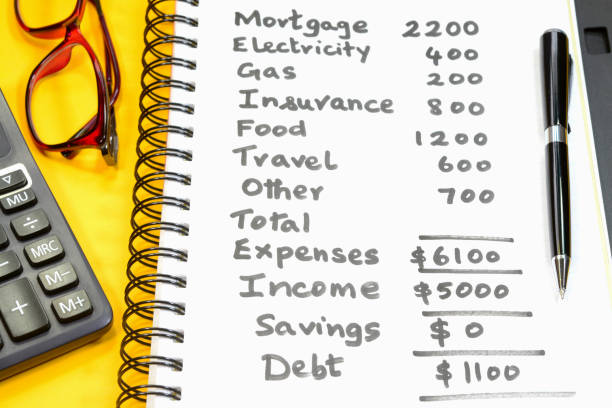
Finally, protect your cash reserves. Closing costs are not the only expense. You’ll also need money for moving, utilities, immediate repairs, and an emergency fund. Don’t drain every dollar to close. If closing costs push you below a small cushion, consider a lender credit in exchange for a slightly higher interest rate. That reduces cash needed at closing but costs more over time. A credit makes sense if you need cash now and plan to refinance or sell within a few years. It’s a bad deal if you’ll keep the loan for decades and the higher rate costs more than the credit saves.
The bottom line is simple. Closing costs are part of the deal, but they don’t have to be a blindside. Get your Loan Estimate early, compare shoppable fees, ask the seller for help, question vague charges, and keep a cash cushion. You just need an hour, a few phone calls, and the willingness to ask, “What is this fee for?“ That question alone can keep thousands in your pocket.