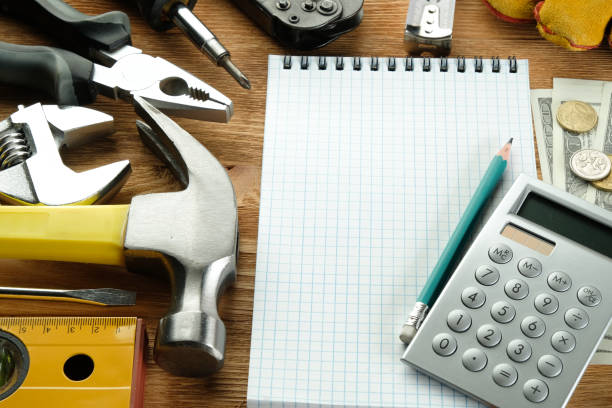


Your credit score does not care that your water heater quit at the worst time. It cares whether the bill gets paid on time and how much of your available credit you are using. That is why home maintenance is a credit protection plan. Keep your home in shape, and you are less likely to finance emergencies on high-interest cards and watch your score slide.
Most expensive home disasters start small. A slow leak under the sink rots a cabinet. A clogged gutter sends water into the fascia. A dirty furnace filter makes the system work harder until it dies. These problems are easy to ignore when you are busy working. But ignoring them is how a two-hundred-dollar repair becomes a five-thousand-dollar replacement, usually on a credit card because there is no cash sitting around.
You do not need a pricey financial manager. You need a few habits. Change your HVAC filter every one to three months. Check under sinks for drips monthly. Clean gutters before rainy season. Test smoke and carbon monoxide detectors twice a year. Flush the water heater annually if you can. These tasks cost little and catch problems while they are still cheap.
Build a home repair fund. This is not a fancy investment strategy. It is a separate savings account you do not touch. Start with twenty-five dollars per paycheck. Add raises and tax refunds. Aim for one thousand dollars as a starter emergency fund, then build toward one to two percent of your home’s value per year. That target can keep a surprise repair off a credit card.
Know your DIY limits. Painting, caulking, replacing a filter, and unclogging a drain are reasonable for many people. Electrical work, gas lines, structural repairs, and roof work are not. A bad DIY job can cost more than hiring a pro, and your insurance company may deny a claim if unpermitted or unsafe work caused the damage. Saving money is smart. Risking your home and credit is not.
When you hire someone, treat the contractor like a lender. Get three written quotes. Check licenses and insurance. Never pay the full amount upfront. Put the price, timeline, and payment schedule in writing. Be careful with contractor financing. A zero-percent promotional offer can turn into a high interest rate if you miss the payoff deadline. If the monthly payment would make your budget tight, the project is too expensive right now.
If an emergency still happens, protect your credit first. Call the contractor and ask about a payment plan. Call your credit card issuer before you are late, not after. Ask for a due date change or a hardship program. A single late payment can stay on your credit report for years, so communication matters. Set autopay for at least the minimum on every account, then pay more when you can. Payment history is the biggest part of your credit score.
Be careful with home equity. A HELOC or home equity loan can be a useful tool for major repairs, but it is not free money. You are using your house as collateral. If you cannot repay it, you risk losing the home. Use equity only for necessary repairs or improvements that protect value, and keep the balance low compared with your limit. Do not use it for vacations or everyday expenses.
Insurance is another layer of protection. Review your deductible so you know what you would owe after a storm or fire. Understand that flood damage is usually not covered by a standard policy. Keep receipts and maintenance records. If you make a claim, be honest and thorough.
None of this requires a perfect memory or a lot of free time. Pick one day each month to walk through your home and look for leaks, cracks, strange smells, or running toilets. Automate your repair fund. The goal is not a magazine-perfect house. The goal is a stable home and a credit score that does not get punished because your dishwasher died.
Home maintenance is financial self-defense. A little prevention, a small emergency fund, and respect for credit can keep you out of junk credit. Your future self, the one not paying twenty-nine percent interest on a furnace, will thank you.