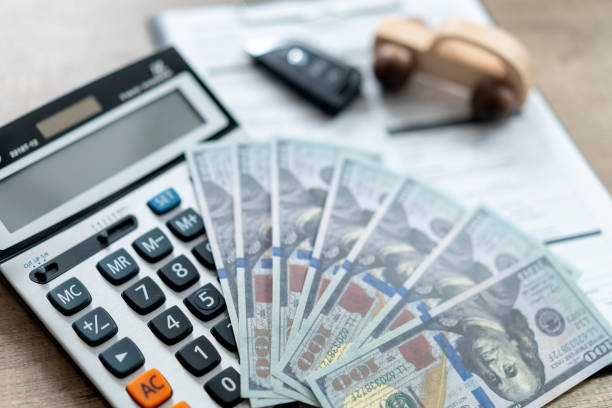


You don’t need a finance degree to know surprise expenses wreck budgets. Car tire blows, phone dies, ER visit, pet gets sick, hours cut. If you have no cash, the credit card becomes the only option. That’s how junk credit starts: not from reckless spending, but from normal life hitting a thin margin. An emergency fund is not an investment strategy. It’s a shock absorber.
Start with a number that feels almost embarrassingly small. $500. If $500 is impossible, $100. If $100 is impossible, $20 per paycheck. The goal isn’t to cover every disaster. The goal is to stop small disasters from becoming high-interest debt. A $300 repair on a card can linger for years if you only pay the minimum. An emergency fund turns that same $300 into a bad week instead of a bad year.
Keep it in a separate savings account at a bank or credit union. Not checking, because you’ll see it and spend it. Not investing, because stocks can drop when you need the money. Not crypto. Set an automatic transfer on payday. Even $10 or $25 helps. Name the account “Do Not Touch” or “Car Trouble” or “Life Happens.“ Out of sight, out of spending.
Build the fund while paying credit card debt. Common question: should you save or pay debt? Do both. If you throw every dollar at cards and leave zero savings, the next flat tire goes back on the card. You’re running on a treadmill. Build a small starter fund first, maybe $500 to $1,000. Then split extra money between debt and savings. Once you have one month of basic expenses, push harder on cards, but keep adding a little to the emergency fund so it doesn’t get used and forgotten.
What counts as an emergency? Not a sale, vacation, new phone because yours is old, gift, or concert. An emergency is necessary, urgent, and unexpected. Need your car to get to work? Yes. Need a root canal? Yes. Need to fly for a family emergency? Probably. Need the newest iPhone because the screen cracked? Only if repair costs more and you need the phone for work, and even then buy a cheap replacement. When in doubt, ask: would I take a loan for this? If no, don’t raid the fund.
Find money without a side hustle. Review fixed bills. Call your internet provider and ask for a lower rate. Cancel subscriptions you forgot. Cook at home more. Sell stuff. Direct tax refunds, bonuses, overtime, and birthday money toward the fund. The point isn’t deprivation. It’s redirecting money you already earn. A dollar not spent on random stuff is a dollar that can protect you later.
This is where credit card debt management gets easier. With even a small emergency fund, you stop using cards for emergencies. That keeps utilization lower, on-time payments easier, and interest from compounding. You can pay more than the minimum because you’re not constantly putting out fires. Your credit score benefits because payment history and amounts owed are the biggest factors. Don’t obsess over the score; focus on behavior. Savings plus consistent payments equals healthy credit.
If you must use a card for an emergency, that’s okay. It’s not failure. Use it, then make a plan to pay it off fast. Pause extra savings for a month or two if needed, but don’t abandon the fund. Rebuild it. The goal is to use credit as a tool, not a crutch. Choose a 0% intro APR card only if you can pay it off before the rate jumps. Call your provider, ask about a hardship plan, keep paying at least the minimum, and never ignore the bill.
Keep it simple. One account. One automatic transfer. One starter number: $1,000. Then one month of expenses. Eventually three to six months. For many working people, three months is a realistic long-term target. Don’t get overwhelmed. Automate what you can. Check once a month. Increase the transfer when you get a raise. Use windfalls. If you mess up and spend it, start again. No shame. Credit health is built by boring habits repeated during busy weeks.