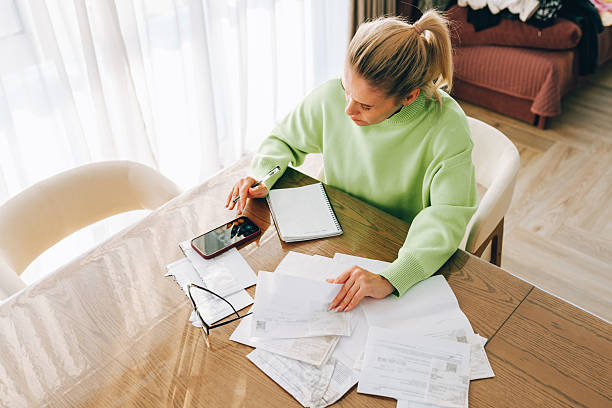


A second job is not glamorous. It eats your evenings, your weekends, and sometimes your sanity. But when you are living paycheck to paycheck, it can be the fastest honest way to add breathing room. The goal is not just extra cash. The goal is to stop using credit cards as a survival tool, pay down balances, and protect your credit score from the slow damage of late payments and maxed-out cards. If you are going to give up free time, make that time work for your credit.
Pick a second job that fits your real schedule, not your fantasy schedule. If your main job starts at seven in the morning, do not take a closing shift that ends at midnight. You will quit in three weeks, or worse, you will get fired from your main job because you keep showing up exhausted. Look for something with predictable hours: weekend shifts, early morning warehouse work, remote customer service, delivery blocks, tutoring, pet sitting, retail, or seasonal work. Calculate the net pay, not the gross. A job that pays twenty dollars an hour but requires a forty-five-minute commute, gas, parking, and childcare may leave you with less than a fifteen-dollar-an-hour job down the street.
Once you have the job, decide what the money is for before the first paycheck hits. The easiest way to waste a second income is to let it blend into your regular checking account. Suddenly you are buying lunch out more, upgrading your phone, or saying yes to plans because you feel like you earned it. You did earn it, but you also earned a chance to fix your credit. Open a separate account if you need to. Automate a transfer the day after payday. Send a fixed percentage straight to your highest-interest credit card or loan. If you never see the money, you cannot spend it.
Credit utilization is one of the biggest factors in your score. If you have a five-thousand-dollar limit and a four-thousand-dollar balance, you look risky to lenders even if you pay on time. Every extra payment that lowers that balance helps your score. You do not have to pay it all off at once. Throw every second-job dollar at the card with the highest interest rate while paying minimums on everything else. If you need motivation, start with the smallest balance instead. Both methods work. The important part is to automate your minimum payments so a busy schedule never causes a late mark. A single thirty-day late payment can haunt your credit for years.
Taxes are where second-job workers get ambushed. If you are a regular employee, your new employer withholds taxes. If you drive for an app, deliver food, or do freelance work, you are probably a contractor. Nobody withholds taxes for you. You owe income tax and self-employment tax. Set aside twenty-five to thirty percent of every payout in a separate savings account. Do not touch it. If you spend that money, you will end up with an IRS bill, a payment plan, or a credit card balance to cover it. A simple spreadsheet or a basic budgeting app is enough. You do not need a pricey financial manager.
Avoid anything that smells like a scam. Never pay upfront for a job. No starter kits, training fees, or equipment packages from strangers. No reshipping packages, no check cashing, no crypto flipping, no “assistant” roles that ask for your bank login. If it sounds too easy and pays too much, it is a trap. Identity theft can wreck your credit faster than any late payment. Also stay away from payday loans and cash advances to bridge the gap between jobs. The second job is supposed to reduce your need for expensive debt, not create more of it.
Protect your health and your main income. Do not take second-job calls during your primary job. Do not drive tired. Do not work seven days a week for months. Burnout leads to quitting, missed bills, and sometimes a deeper financial hole. Pick one night off and guard it. This is a sprint, not a lifestyle. Give yourself a finish line: pay off three thousand dollars, build a one-thousand-dollar emergency fund, then reassess. An emergency fund is a credit protection plan because it stops you from reaching for a card when your car breaks or your pet gets sick.
Finally, keep your lifestyle the same. It is tempting to reward yourself with a new car, new clothes, or more takeout. A small reward is fine. A permanent upgrade is not. If your extra eight hundred dollars a month becomes a new car payment, you are back where you started. Let the second job be invisible. Use it to kill debt, build savings, and lower your credit utilization. Check your credit reports for errors and dispute anything wrong. Keep old accounts open if they have no annual fee. As your balances drop and your payments stay on time, your score will follow. You do not need a perfect plan. You need a boring, repeatable one that fits your life.