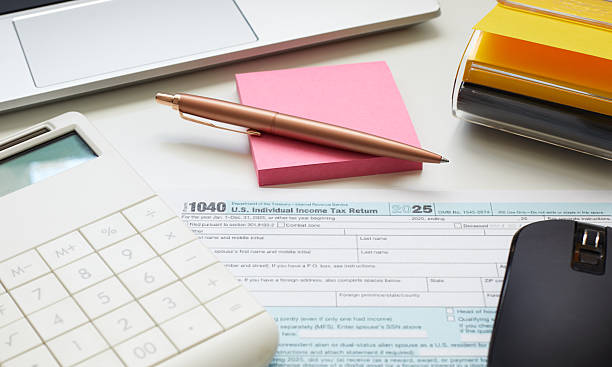


Filing taxes is not a once-a-year chore you can ignore until the deadline. It is a check on your whole financial year. If you get a giant refund every spring, you have been giving the government an interest-free loan out of every paycheck. If you owe a painful amount, your withholding was too low. The sweet spot is close to zero, or a small refund or small balance you already saved for. That one idea can change how you file and how you budget.
Start with last year’s return. It is a roadmap. Pull it up, copy your personal information, income sources, and any credits or deductions you claimed. Then flag what changed. New job, marriage, divorce, a baby, a side hustle, a move, a home purchase, student loan payments, or crypto trades all affect your taxes. The IRS does not care that you were busy. It cares that the numbers match the documents.
Choose your filing status correctly. Single, married filing jointly, married filing separately, and head of household are not interchangeable. Head of household often saves money if you paid more than half the cost of keeping up a home and lived with a qualifying person for more than half the year. If you guess wrong, you may lose credits or trigger a letter from the IRS. When in doubt, use the IRS Interactive Tax Assistant. It is free and faster than waiting on hold.
Fix your paycheck before next tax season. After you file, look at whether you got a big refund or owed a lot. Use the IRS Tax Withholding Estimator to see what you should put on a new W-4. Give that form to your employer, not the IRS. If you work gig jobs, drive for a delivery app, or freelance, you probably need to make quarterly estimated payments or increase withholding at your regular job. Skipping this can lead to an underpayment penalty, which is money you could have kept.
Gather your documents before you sit down to file. Your W-2, 1099-NEC, 1099-INT, 1098-E, 1098-T, childcare statements, mortgage interest, charitable donations, and medical receipts are the usual suspects. Make a digital folder and drop them in as they arrive. If a form is missing, download it from the payroll portal, bank, or school. Do not file without it and plan to amend later. Amending is extra work you do not need.
Use free help if you qualify. The IRS Free File program is available if your income is below the annual limit. Volunteer Income Tax Assistance sites help people with lower incomes, disabilities, or limited English. Military members can use MilTax. Many commercial tax software products have free versions for simple returns. Avoid refund anticipation loans and preparers who charge a percentage of your refund. If your return involves a business, rentals, stock sales, crypto, or multiple states, paying a pro may be worth it. Just organize your documents first so you are not paying someone to sort receipts.
Do not miss credits you earned. The Earned Income Tax Credit, Child Tax Credit, Child and Dependent Care Credit, Saver’s Credit, American Opportunity Tax Credit, Lifetime Learning Credit, and student loan interest deduction can put real money back in your pocket. Some are refundable, which means you can get them even if you owe no tax. Free software will ask about them. Answer honestly and read the questions. Claiming something you do not qualify for creates problems. Skipping something you do qualify for leaves your money behind.
Avoid the common mistakes. Wrong Social Security numbers, misspelled names, wrong bank account digits, and forgotten side income are the classics. E-file and choose direct deposit for the fastest refund. Review every page before you submit. Sign and date the return. Keep a copy. If you owe and cannot pay, file on time anyway. File an extension if you need more time to prepare, but remember an extension to file is not an extension to pay. Set up an IRS payment plan online if you need one. Ignoring the bill only makes it bigger.
Keep records for at least three years after you file. Keep them longer if you claim bad debt or worthless securities, and forever if you filed fraudulently. A digital backup costs almost nothing and saves you if the IRS asks questions or you apply for a mortgage.
Finally, stop treating a tax refund like a prize. It is your money coming back late. Adjust your withholding, keep more in each paycheck, and use that cash for an emergency fund, high-interest debt, or retirement. File correctly, claim what you earned, and check your withholding once a year. Boring? Yes. But boring beats a surprise tax bill every time.