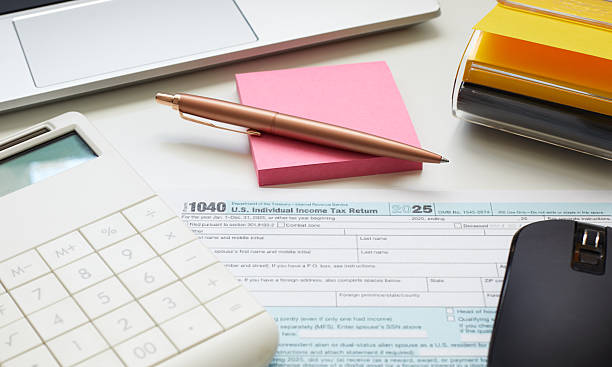


If you drive for a rideshare app, sell crafts online, cut hair on weekends, or pick up freelance design work, you are running a small business whether you call it that or not. The money feels like extra cash. The tax bill is not extra. The IRS expects you to report every dollar you earn, and if you spend that money as it comes in, you can end up with a surprise bill that wrecks your monthly budget and sends you reaching for credit cards. That is how a simple side gig turns into junk credit.
The first move is boring but powerful: put aside a percentage of every payment. Most side hustlers should set aside twenty-five to thirty percent of gross income for taxes. If that sounds high, remember you are covering federal income tax, state income tax if your state has one, and self-employment tax for Social Security and Medicare. Open a separate savings account and transfer the money the same day you get paid. When tax time comes, you will have the cash instead of a panic attack.
Next, know what paperwork to expect. Companies may send you a 1099-NEC for contract work or a 1099-K for payment card and online marketplace transactions. You might not get a form if you earned under the reporting threshold, but that does not mean the income is tax-free. Report it anyway. The IRS receives data from payment processors, and matching notices are not fun. If you have a regular W-2 job, you can also adjust your withholding using a new W-4. That lets your employer take a little more tax out of each paycheck, so you do not have to make quarterly estimated payments. If you owe a lot from side work, quarterly payments are usually due in April, June, September, and January. Put those dates in your phone now.
Track your expenses like your credit score depends on it, because it does in a roundabout way. Every deduction lowers your taxable profit. Mileage is the big one for drivers. Keep a log of business miles, date, destination, and purpose. You can use a free app or a notebook. Your phone bill, home internet, office supplies, software subscriptions, and a portion of your rent or utilities for a home office may also be deductible if they are used for business. Save receipts digitally. You need a system you will actually use. A folder in your email and a spreadsheet can be enough.
When you file, choose the right status, report all income, and claim the credits you deserve. The Earned Income Tax Credit, Child Tax Credit, Saver’s Credit, and education credits can put real money back in your pocket. If your income is low or moderate, look into IRS Free File or a Volunteer Income Tax Assistance site. If your situation is complicated, such as owning a business, selling stocks, or dealing with crypto, paying a tax pro once can cost less than years of penalties. A good preparer also helps you plan, not just file.
Your credit health is tied to tax health more than most people realize. A tax refund can pay down high-interest credit cards, but do not use the IRS as a savings account. Adjust your withholding so you keep more money each month and use it to build an emergency fund. If you owe taxes and cannot pay, file anyway. The failure-to-file penalty is much steeper than the failure-to-pay penalty. Then set up an IRS payment plan. Do not ignore notices. A levy can drain your bank account, causing bounced payments and late fees that damage your credit. Paying your tax bill on time keeps your financial life calm.
Finally, think ahead. Self-employed workers can open a SEP IRA or Solo 401k. Contributions lower your taxable income and build retirement savings. Keep tax records for at least three years. Automate your savings, review your withholding once a year, and remember the simple rule: save thirty percent, track your miles, pay quarterly, file on time. Do that, and your side hustle can grow your future instead of creating junk credit.