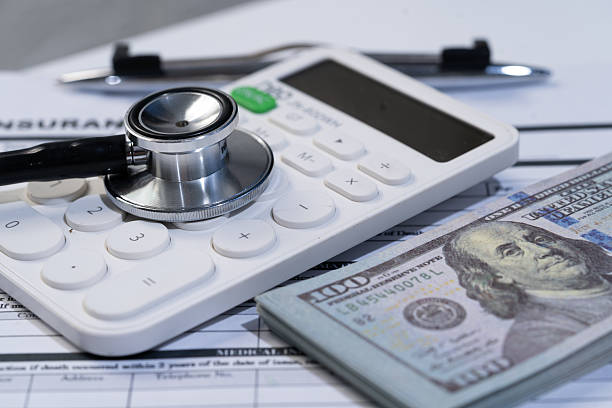


An emergency fund is not a luxury, a finance-nerd flex, or something you get around to after everything else. It is the cash cushion that keeps a surprise from becoming a crisis. Think car repair, medical bill, sudden layoff, broken laptop you need for work, or a plane ticket for a family emergency. Without cash set aside, those moments go on a credit card, and that is how credit card debt and damaged credit start. The goal is simple: build a stash of money you can reach quickly, keep it boring, and use it only for real emergencies.
First, decide how much you need. The standard advice is three to six months of essential expenses. Notice the word essential. That means rent or mortgage, utilities, groceries, insurance, minimum debt payments, transportation, and basic phone service. It does not mean your full lifestyle, streaming subscriptions, or Friday takeout. If you are just starting, three months is a strong target. If your income is variable, your job feels shaky, or you support a family, lean toward six months. If you are single, stable, and have low fixed costs, three months may be enough. The exact number matters less than starting. A $500 buffer is not a full emergency fund, but it beats zero and can stop a small problem from snowballing.
Next, pick the right place to keep it. You want the money separate from your checking account so you are not tempted to spend it on ordinary life, but close enough that you can get it in a day or two. A high-yield savings account at a reputable bank or credit union is the usual answer. Look for no monthly fee, easy transfers, and a decent interest rate. You are not trying to get rich here. You are trying to keep the cash safe and available. Do not put your emergency fund in stocks, crypto, or anything that can drop 20 percent right when you need it. Do not rely on a credit card as your emergency fund. A credit card is a debt tool, not a safety net, and using it for emergencies is exactly how people end up with high balances and damaged credit.
Building the fund is mostly about consistency, not intensity. Start with a small automatic transfer on payday. Even $25 or $50 per paycheck makes a difference. If that feels tight, go smaller. The habit matters more than the amount at first. Treat the transfer like a bill you owe yourself. Automate it so you do not have to rely on motivation after a long workday. Whenever you get a windfall, such as a tax refund, bonus, overtime, or side gig cash, send a chunk to the fund. You do not have to send all of it. Just send something before it disappears into normal spending. Keep your emergency fund in its own account and name it something clear, like “Do Not Touch Unless It Is Real.” That sounds silly, but labels help your brain treat the money differently.
You also need a simple rule for what counts as an emergency. An emergency is unexpected, necessary, and urgent. A surprise medical bill counts. A planned vacation does not. A car repair you need to get to work counts. Holiday gifts do not. A layoff counts. A flash sale does not. If you are not sure, wait a day and ask whether this expense is protecting your health, safety, housing, or income. If the answer is no, it is probably a planned expense or a want, not an emergency. For those, use a separate sinking fund. Keeping the emergency fund pure is what makes it reliable.
When you do use the fund, do not panic. That is what it is for. Pay the bill, fix the problem, and then make a plan to refill it. Pause extra spending, redirect a little cash, and rebuild the cushion as fast as you reasonably can. It is normal for the balance to go up and down. A healthy emergency fund is not a museum piece. It is a working tool. Review your target once or twice a year, especially if your rent, income, or family situation changes. Keep it simple, keep it automatic, and keep it separate. That is the whole game. Do not wait for the perfect moment or the perfect amount to begin. Start small today.