Most expense advice asks you to suffer. Skip the latte. Never eat out. Live like a monk until you hate your budget and quit. That fails because pain is memorable. A better plan is to cut costs you barely notice, automate savings, and protect what makes life good. You do not need a pricey financial manager. You need a few quiet systems.
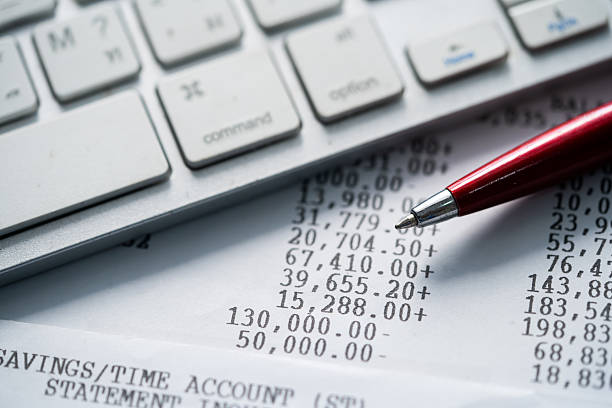
Start with recurring charges. Pull up your last two bank and credit card statements. Look for subscriptions, memberships, app fees, cloud storage, streaming tiers, and insurance premiums. Most people find at least one thing they forgot they were paying for. Cancel it. Then set a reminder every three months to repeat the scan. This is not about denying yourself entertainment. It is about paying only for what you choose.
Next, make a few calls that pay better than a side hustle. Call internet, phone, and insurance providers and ask for a better rate or retention offer. Be polite. Say you are reviewing your budget and want to know what discounts exist. Sometimes the answer is nothing. Sometimes you save twenty dollars a month for ten minutes. Shop insurance every renewal. Raising a deductible can lower your premium if you have an emergency fund, but never drop needed coverage. For utilities, ask for a free energy audit, switch to LED bulbs, use a programmable thermostat, and wash clothes in cold water. These cuts lower your baseline without changing your routine much.
Automation is where painless saving becomes real. When your paycheck lands, have a set amount moved automatically to savings before you can spend it. Start with twenty or fifty dollars per paycheck. Increase it whenever you get a raise or pay off a debt. Because the money never sits in checking, you will not miss it as much. Use separate accounts for emergencies, annual bills, and fun money. An annual bill like car insurance hurts only because it arrives all at once. A sinking fund turns it into a small monthly transfer. When you have cash set aside, you are less likely to lean on credit cards for ordinary life.
You can also cut without pain by spending on what you love and cutting what you do not. Track spending for thirty days. Do not judge it. Find three expenses that bring little joy. Maybe it is a gym you never visit, premium food delivery, or a streaming service you keep from habit. Cut one or downgrade it. Replace it with something cheaper that still feels good. Grocery planning helps. Make a quick list, buy what you will eat, and cook extra servings when you have time. Convenience food is fine when planned. Autopilot spending is what hurts.
Your environment matters more than willpower. Remove stored cards from shopping apps. Unsubscribe from marketing emails. Use a twenty-four-hour rule for non-essential purchases over fifty dollars. Put the item on a wish list and see if you still want it tomorrow. Use grocery pickup if it stops impulse buys. Keep a small fun budget so you do not feel deprived. The goal is not zero spending. The goal is intentional spending.
Finally, do not let small savings damage your credit. Canceling subscriptions does not affect your credit score, but closing old credit cards can. Keep your oldest accounts open with a small recurring charge paid automatically. Pay every bill on time, keep balances low compared with your limits, and check your reports for errors. If you use a balance transfer, read the fees and make a payoff plan. A lower monthly bill is only a win if it does not create a bigger debt later.
Painless cuts are not about suffering. They are about removing waste, lowering your baseline, and automating the good stuff. A few cancellations, one or two negotiation calls, and a small automatic transfer can free real money each month. Send it to an emergency fund, a credit card balance, or retirement. Review recurring costs every few months. Keep what makes life better. Cut the junk charges. Your paycheck can go further without you feeling every penny leave. It is a simple habit worth building.