Building Credit History

shape shape
image

Asset Allocation: Building a Resilient Financial Future

Personal finance extends far beyond simply earning and spending money; it is the strategic management of one’s resources to build security and achie...

Read More
image

The Architecture of Abundance: Building Wealth Through Discipline

The journey of personal finance transcends mere budgeting and debt avoidance; its ultimate destination is the deliberate and systematic building of we...

Read More
image

The Democratization of Wealth Building

The landscape of personal finance has been profoundly reshaped by the forces of technology, globalization, and innovation, giving rise to what is now ...

Read More
image

Exploring Alternative Investments

In the landscape of personal finance, the traditional pillars of a robust portfolio have long been stocks, bonds, and cash. While these assets provide...

Read More
image

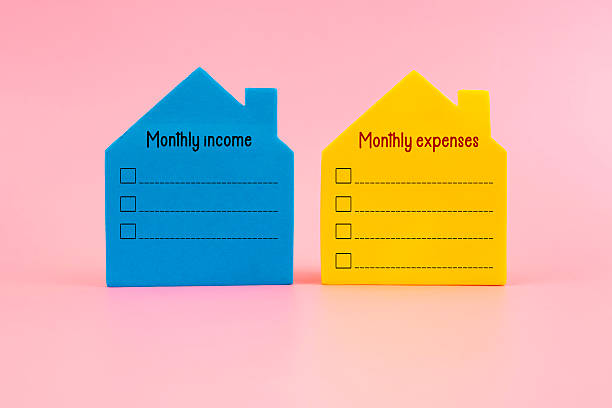
Learning the 50-30-20 Rule

Personal finance is the cornerstone of a secure and intentional life, far exceeding the simple act of balancing a checkbook. It is the practice of man...

Read More
image

All About Automotive Finance

The decision to acquire a vehicle represents one of the most significant financial commitments many individuals will make, second often only to purcha...

Read More
FAQ

Frequently Asked Questions

Yes. Providers may reduce charges for self-pay patients or offer discounts for prompt payment. Always ask if rates can be lowered.

It is a primary factor in calculating your credit score, second only to your payment history. A high ratio signals to lenders that you may be overextended and a higher-risk borrower, which can significantly lower your score and make it harder to get new credit or favorable interest rates.

Debt settlement severely damages your credit score. The strategy requires you to become delinquent on payments, which is reported to credit bureaus. Furthermore, accounts will be marked as "settled" rather than "paid in full," which is viewed negatively by future lenders.

It leads to a dangerous cycle of debt accumulation. Each new emergency adds high-interest payments to your monthly budget, reducing your disposable income and making it even harder to save, thus increasing your vulnerability to the next shock.

The grace period is the time between the end of a billing cycle and your payment due date during which no interest is charged on new purchases if your previous balance was paid in full. Carrying a balance eliminates the grace period, causing interest to accrue immediately on new purchases.