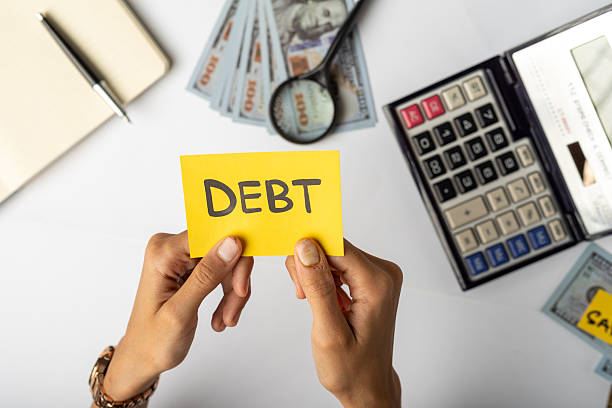


A debt consolidation loan sounds clean: one payment, one due date, less juggling. But it is not a fix by itself. It replaces several debts with a new one, and with bad credit that new debt can be expensive. Before you sign, run a simple break-even test. Compare what you owe now over the time you would realistically take to pay it off against the full cost of the consolidation loan. If the loan does not save enough money or reduce real risk, skip it. Convenience is not savings.
Start by gathering real numbers, not guesses. Write down every debt balance, interest rate, and minimum payment. Minimum payments are designed to feel manageable while stretching repayment for years. Use a payoff calculator or the lender’s disclosure to see what happens if you pay only minimums. For the consolidation loan, get the amount financed, fixed interest rate, repayment term, origination fee, late fees, and any prepayment penalty. Multiply the monthly payment by the number of months, add fees, and compare that total to your current path. A lower monthly payment can still mean more total interest if the term is long. That math matters more than the relief of one bill.
Bad credit makes the rate the main event. If your cards charge 24% and the consolidation loan charges 29%, you are not consolidating debt; you are refinancing into a more expensive problem. A secured loan may offer a lower rate, but it puts your car or savings on the line. A cosigner may help you qualify, but it puts someone else’s credit at risk. Avoid variable rates that can jump, balloon payments, and any lender that charges upfront fees to “fix” your credit or promises to make debt disappear. Legitimate consolidation is a loan with clear terms, not a magic rescue program.
The biggest failure is behavioral, not mathematical. Many people pay off credit cards with the loan, feel a burst of breathing room, and then run the cards back up. Now they have the loan payment plus new card balances, often with less available credit. Treat the cards as tools, not emergency income. If you cannot trust yourself, freeze them or remove them from your phone and wallet. Keep one card only for a true emergency and pay it off fast. Set the consolidation loan on autopay for at least the minimum, then add extra to principal whenever possible. Check whether prepayment penalties apply; if not, paying early is a quiet way to win.
Consolidation can help your credit if it lowers credit utilization and you pay on time, but only if you manage the old accounts carefully. Closing every card can hurt your length of credit history and utilization. Keep no-annual-fee cards open, even if you use them lightly and pay in full. Do not apply with five lenders in one afternoon; each hard inquiry can ding your score. Get prequalified with soft pulls when available. Check your credit reports for errors before you borrow. A wrong collection account is cheaper to fix than to finance around.
Bad credit usually comes with a thin margin for surprises. Before the first loan payment is due, build a small cash buffer. Even five hundred dollars to a thousand dollars can keep a car repair or medical bill from becoming a new credit card balance. Make a bare-bones monthly plan: fixed bills, loan payment, food, gas, and a small savings transfer. Automate the payment and the savings so you do not have to rely on willpower. The goal is not just one tidy payment; it is a life where the next emergency does not restart the debt cycle.
Skip consolidation if the loan rate is higher than your current debt, if fees make the total cost worse, if the payment leaves no room for food or rent, if you are still charging new purchases, or if the lender feels pushy. Call your creditors about hardship plans, talk to a nonprofit credit counselor, or attack the highest-rate balance first. A debt consolidation loan is a tool for a plan, not a plan by itself. If you use it, confirm the first due date, set autopay, and check the balance monthly. The point is not to move debt around. The point is to get out, protect your credit, and avoid junk credit for good.