

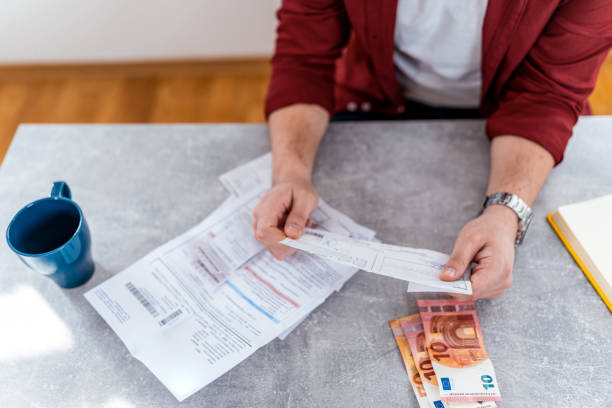
Bad credit has a way of making you feel like you’re permanently behind. Maybe a past due bill, a missed payment, a maxed-out card, or a collection call from years ago. You might avoid checking your score because you’re afraid of what you’ll see. That avoidance is normal, but it costs you. Confidence doesn’t come from pretending your credit is fine. It comes from knowing exactly what’s going on and having a simple plan you can run in the margins of a busy week. You work for a living. You don’t need a financial manager to tell you what you already suspect. You need a few moves that fit real life.
Start with the truth on paper. Once every few months, pull your credit reports and look for errors. You can do this for free. If you see accounts you don’t recognize, addresses that aren’t yours, or late payments that should not be there, dispute them. More importantly, it turns a vague fear into a list of facts. Facts you can handle. Facts don’t judge you. They just tell you where to aim.
The fastest confidence builder is an on-time payment. Just one payment, on time, this month. Then another. Payment history is the biggest part of most credit scores, so consistency beats intensity. If you’re forgetful or busy, automate the minimum payment on every account. Set it for a day after payday. You can always pay more later, but you can’t undo a 30-day late mark easily. Automation is dignity. It protects you from your own worst weeks.
Credit utilization is the second lever. If your cards are maxed out, your score suffers and your confidence does too. You don’t have to clear the balance today. Try to get each card below 30 percent of its limit. If you can’t, focus on paying before the statement closing date, not just the due date. That’s the number most issuers report. Even a small drop in reported balances can lift your score. If you have no card, a secured card can be a tool. Use it for one small recurring bill, set autopay, and treat it like a debit card. You’re not borrowing. You’re building evidence that you can handle credit.
Bad credit often comes with shame, and shame makes people hide. Call your creditors before you’re late. Ask about hardship programs, due date changes, or payment plans. Ask for a goodwill adjustment on an old isolated late payment. You won’t always get a yes. But asking is not begging. It’s managing. The same goes for collections. You can request validation, negotiate a settlement, or ask for a pay-for-delete in writing. Get everything in writing. Never pay a stranger who calls demanding gift cards or crypto.
Build a tiny buffer. Credit health and financial confidence are cousins. When you have even $500 in savings, a flat tire doesn’t become a new credit card balance. Start with $20 a week. Name the account “Don’t Touch” or “Emergency.“ The goal isn’t wealth. The goal is fewer emergencies that turn into debt. At the same time, stop using credit for things you can’t afford. A credit card is a tool, not a raise. That one rule will save you more stress.
Give yourself a fifteen-minute money check once a week. Look at your bank account, your credit card balances, and anything due in the next seven days. That’s it. No spreadsheets. Just a quick scan so nothing sneaks up. Confidence grows when you keep small promises to yourself. Pay the bill. Check the balance. Ask the question. Save the $20. Those actions don’t make headlines, but they rebuild your credit and your self-respect.
You don’t need to be perfect. You need to be consistent. Bad credit is a chapter, not your identity. With a few boring habits repeated over months, you can move from hiding from your score to checking it like a grown adult who knows exactly what’s next. Dignity is not having perfect credit. Dignity is facing your money with clear eyes and a plan that works on a Tuesday night after a long shift.