
Most people pay everyone else first. Rent, utilities, phone, car insurance, streaming subscriptions, the guy who sold you tacos at 11 p.m. By the time you look at your account, there’s nothing left to save. That’s not a character flaw; it’s a design flaw. If savings comes last, it simply won’t happen, and when an emergency hits, the credit card becomes your emergency fund. That’s how junk credit starts. Not because you’re reckless, but because you didn’t have a cushion and the timing was terrible.
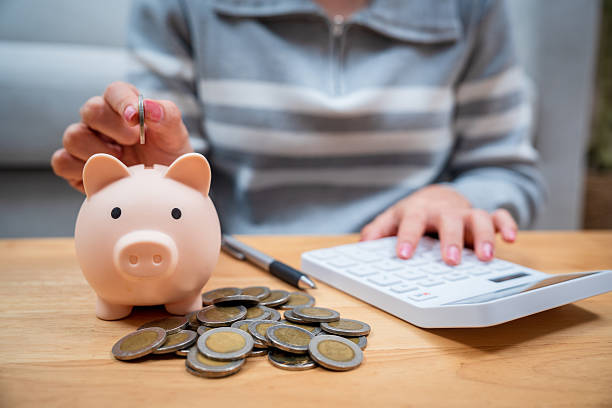
Pay yourself first flips the order. On payday, before you pay bills or buy groceries or cover that impulse cart, a small amount moves from checking to savings automatically. You don’t think about it. You don’t negotiate with yourself. You don’t wait for a “good month.“ You just set it once and let the system do the work. The amount matters less than the habit. Twenty dollars a paycheck is real. Fifty is better. A hundred can change your life over a year, but only if you start before you feel ready.
The reason this protects your credit is simple. Credit card debt usually isn’t caused by big, planned purchases. It’s caused by small, unplanned ones. A tire blows. A tooth aches. A deposit is due. Your hours get cut. If you have no savings, you swipe. Then interest starts stacking, your utilization climbs, and your score takes a hit. You didn’t plan to have junk credit. You just had no gap between your income and your emergencies. Paying yourself first builds that gap on purpose.
Make it automatic. Go into your banking app and set a recurring transfer for the day after payday. If your paycheck lands on Friday, schedule the transfer for Saturday morning. If your pay varies, use a percentage instead of a fixed dollar amount. Ten percent is a strong goal. Five percent is respectable. One percent is still better than zero. The point is to make the decision once, then stop deciding. You already have enough chores. You need a system that works while you’re tired.
Keep the savings where you can see it but not swipe it. A separate high-yield savings account at an online bank is usually the easiest move. It’s still yours, it’s still FDIC insured, but it takes a day or two to transfer back. That tiny delay is a feature. It stops you from raiding your savings for pizza or sneakers. Name the account something blunt, like “Oh No Money” or “Car Died Fund.“
Start with a starter emergency fund of five hundred dollars. Five hundred dollars covers most ordinary disasters: a brake repair, a vet visit, a last-minute flight, a broken phone. Once you hit that, keep going. Aim for one month of essential expenses, then three. But don’t get overwhelmed by the big number. Your only job this week is to set the transfer.
You can also pay yourself first with irregular money. Tax refunds, bonuses, birthday cash, side-gig payments, even a small raise. When extra money arrives, send a slice to savings before it blends into checking. That’s not deprivation. That’s future you getting a vote. If you get a three-dollar raise per hour, save one dollar of it and let the rest improve your life.
Pay yourself first won’t make you rich overnight, and it won’t fix bad credit by itself. You still need to pay bills on time, keep old accounts open, and avoid applying for every store card that promises ten percent off. But it does something more important: it breaks the cycle of using debt as a survival tool. When you have even a small cushion, you can say no to high-interest loans, no to payday advances, no to carrying a balance because you had no other choice. That is how you keep your credit clean and boring, which is exactly what you want.
The best time to start was yesterday. The second-best time is the next payday. Set the transfer. Forget about it. Then let the quiet, automatic habit do the heavy lifting while you live your life.