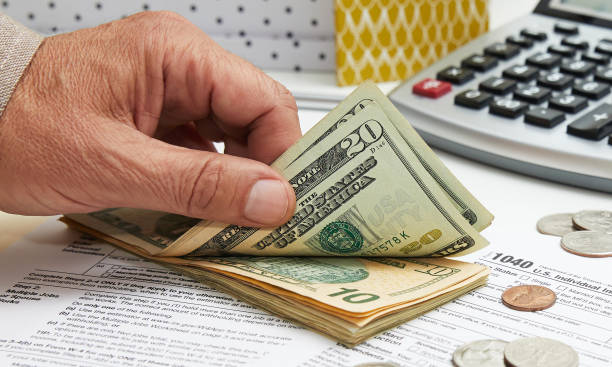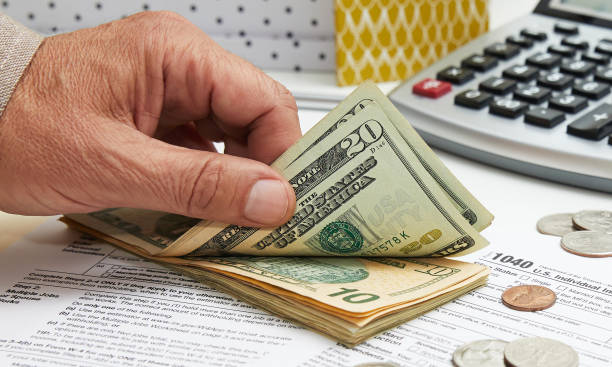

The Free Application for Federal Student Aid is not just for teenagers. If you are working full time, raising kids, changing careers, or heading back to community college or a trade program, FAFSA is a financial planning document. It determines whether you get federal grants, work-study, and student loans. It also shapes your tax credits, monthly budget, and credit health. Treat it like a bill: boring, necessary, and worth doing right.
FAFSA is free. The first F stands for Free. Anyone charging you to file it is selling a service you can do yourself in about forty-five minutes. Create your FSA ID first. Use the IRS Direct Data Exchange to pull your tax information instead of typing from memory. File as soon as the application opens for your school year. Aid is often first come, first served. Early does not mean sloppy. Double-check your name, Social Security number, and school codes.
Dependency status is the fork in the road. If you are twenty-four or older, married, a graduate student, a veteran, or supporting children, you are likely independent. That means your income and assets count, not your parents’. If you are younger, you probably need a parent on the form. Do not guess. Do not leave a required parent section blank. A rejected or delayed FAFSA can cost you aid you need.
What counts? Adjusted gross income, taxes paid, and certain assets. Qualified retirement accounts and your primary home usually are not reported. Cash, brokerage accounts, and some business assets can count. Parent assets are generally assessed lower than student assets. Moving money into a child’s name to look poor can reduce aid and cross into fraud. Report the truth.
Student loans and credit have a complicated relationship. Most federal student loans do not require a credit check. Direct Subsidized and Unsubsidized loans are available without a credit score, which makes them safer than private loans for most people. Graduate PLUS and Parent PLUS loans do check credit. You do not need a great score, but an adverse credit history can block you. Defaulting on any student loan is a credit wound that can follow you for years. It can stop you from buying a car, renting an apartment, or getting a mortgage.
Borrow only what you need. Every dollar you borrow today is a dollar plus interest you repay later. Work part-time if you can. Apply for scholarships, even small ones. Ask your school about payment plans. If you must use private loans, remember a cosigner is fully on the hook. Do not open store credit cards for textbooks and pizza. That is how a small gap becomes a debt pile.
When repayment starts, know your servicer and your deadline. Set autopay to avoid late marks. Compare repayment plans, including income-driven options, so your payment fits your paycheck. If you work for a government or nonprofit employer, look into Public Service Loan Forgiveness. If you cannot pay, call your servicer before you miss a payment. Deferment and forbearance can pause payments, but interest may still grow. Ignoring the problem never works.
FAFSA also connects to taxes. The American Opportunity Tax Credit and Lifetime Learning Credit can reduce what you owe. Your school sends a 1098-T. If your income dropped since the tax year used on FAFSA, ask the financial aid office about professional judgment. They can sometimes adjust your aid based on current reality. It costs nothing to ask.
Applying for FAFSA does not hurt your credit. There is no credit inquiry. But the loans you accept can affect your debt-to-income ratio. On-time payments help your credit. Late payments and defaults hurt. Keep credit card balances low, pay every bill on time, and avoid new debt while in school if you can.
Adult learners and parents should not skip FAFSA. Trade schools, community colleges, and graduate programs all use it. Parent PLUS loans can help, but they are serious obligations. Plan the repayment before you sign.
Review your FAFSA every year. Keep your FSA ID safe. Save your confirmation. In less time than a streaming binge, you can protect your budget and your credit. FAFSA is a tool, not a trap. Use it with your eyes open.