

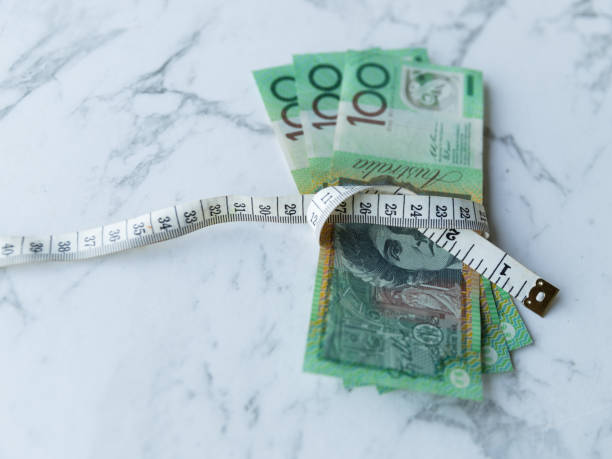
Prepaid cards look like the simplest money tool on earth. You load cash, you spend cash, and when the balance hits zero, the card stops working. No overdraft. No interest. No surprise debt. For anyone working long hours and trying to keep spending under control, that sounds like a win. And it can be. But a prepaid card is only as good as its terms. Some are cheap, practical budgeting tools. Others are fee machines that quietly chip away at your balance. The trick is knowing the difference before you load your paycheck.
Start with what a prepaid card is not. It is not a credit card, so using it will not build your credit history unless the card specifically reports to the credit bureaus or includes a credit-building feature. It is also not automatically a full checking account, even if it comes with a routing number and direct deposit. Some prepaid accounts behave like bank accounts with FDIC insurance and fraud protections; others are thin. If building credit is your goal, a prepaid card usually is not the answer. A secured card or credit-builder loan is often better, but only if you can handle the payments. Do not pay a high monthly fee just because a prepaid card promises to build credit. Confirm it reports to the major bureaus.
The main reason to use a prepaid card is control. You can load only what you plan to spend, which makes it harder to blow your budget. That works well for discretionary spending: eating out, streaming subscriptions, clothes, gas, or a night out. You can also use it for online shopping so your main bank account is not exposed. If the card number gets stolen, the damage is limited to the balance on the card. That is a real benefit. But you have to register the card and report problems fast to get the strongest protections. Keep the app on your phone, turn on transaction alerts, and check the balance before and after big purchases.
Fees are where prepaid cards get ugly. Look at the fee schedule before you sign up. Common charges include activation fees, monthly maintenance fees, reload fees, ATM withdrawal fees, ATM balance inquiry fees, and inactivity fees. Some cards charge you for declining a transaction. A card that costs five dollars a month sounds harmless until you realize that is sixty dollars a year just to access your own money. Direct deposit often waives the monthly fee, but only if ATMs and reloads are free.
The easiest rule is this: never pay a fee to put money onto a card, and avoid paying fees to spend your own money. Direct deposit should be free. Reloading from a bank account should be free. ATM withdrawals should be free within a decent network. If a card charges for all three, walk away. Watch temporary holds at gas stations and hotels; they can tie up your balance and cause declines.
Use a prepaid card like cash, not like a savings account. Do not park your entire paycheck on it for weeks. Load what you need for a specific period, spend it, and stop. If you need a place to hold bills, savings, and emergency money, use an FDIC-insured bank account or credit union. If you use a prepaid card with direct deposit, confirm that your funds are insured and that you have clear dispute rights. Otherwise, keep it as a small spending tool, not your financial home base. That separation keeps your budget honest.
Finally, do not confuse convenience with progress. A prepaid card can stop you from overdrafting, help you cap your spending, and keep your debit card out of sketchy websites. But it will not fix a budget that does not work, and it will not build credit on its own. Pick a card with transparent fees, use it for one clear purpose, and check it weekly. That takes ten minutes. It can save you hundreds. Used wisely, a prepaid card is a shield. Used lazily, it is a leak. Keep it simple, and you keep more of your money. Choose the shield.