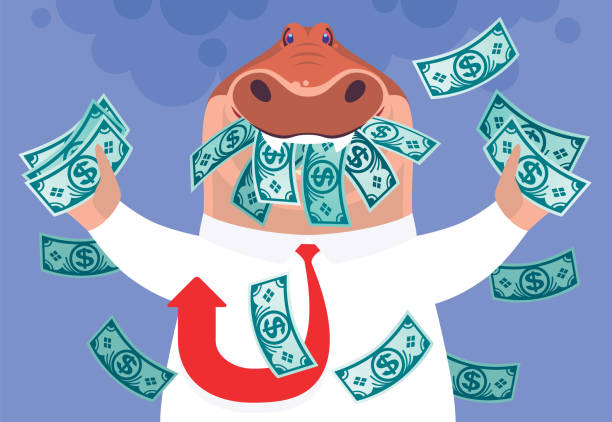


When money gets tight and your credit is already bruised, a lender promising fast cash can feel like rescue. But predatory lenders don’t sell rescue; they sell a trap with friendly branding. The goal isn’t to shame you. Bad credit is often a math problem, not a character flaw. But the wrong loan can turn a rough month into years of damage. Learn the tells before you sign.
Predatory lending has patterns. The first is speed. They want you to decide in minutes, before you can compare. “Pre-approved” texts, loud signs, and promises of “no credit check” are not generosity. No credit check means they’ll get paid some other way: fees, collateral, or access to your bank account. That’s not approval; that’s control. A legitimate lender needs to know if you can repay. If they don’t care, it’s because they’ve built in a way to collect no matter what.
Second tell is cost disguised as convenience. Payday and car title loans often quote a fee like “just $15 per $100 borrowed.“ That sounds small until you annualize it. A two-week payday loan at that rate can carry an annual percentage rate over 300%. A car title loan can be even worse. The lender takes the title to your car and charges triple-digit interest. If you miss a payment, they can take the vehicle you need for work and childcare. Then you still owe the balance. That’s not a loan; it’s a debt trap with your car as bait.
Third tell is pressure to roll over. If you can’t repay, a predatory lender may offer a “renewal” for another fee. That feels like relief. It is not. Your original debt stays, fees stack up, and you fall further behind. Same with repeated payday advances: the fee becomes a subscription to your own poverty. A real lender will explain payoff, due dates, and hardship options in plain language. A predator benefits when you stay confused.
Fourth tell is access to your money. Some lenders ask for your debit card number, online banking login, or a post-dated check. They may say it’s just for automatic payment. But that access lets them withdraw when you’re short, triggering overdraft fees. One poorly timed withdrawal can wreck your budget and your credit if bills go unpaid.
So how do you avoid these lenders without losing your dignity? Start by slowing down. Any real emergency will not be solved by a loan that costs more than the emergency. If you have 24 hours, use them. Check the lender’s state license, read the APR, and write down the total repayment amount, not just the monthly payment. If the total makes your stomach drop, that’s your answer.
Look for safer options first. A credit union might offer a small loan at a reasonable rate. A nonprofit credit counselor can help you negotiate debts and build a plan; many are low-cost or free. Your local 211 service can connect you to rental assistance, utility help, food pantries, and emergency funds. If you’re a member of a church, union, or community group, ask about hardship funds. It feels awkward, but it is far less costly than a title loan.
If you already have a predatory loan, don’t disappear and don’t assume you’re stuck. Ask for the payoff amount in writing. Ask for a repayment plan. Contact a nonprofit legal aid office or your state attorney general if the lender uses threats or illegal fees. You have rights. Debt collectors cannot legally threaten arrest, call your boss about a personal debt, or take money you didn’t agree to give.
Protecting your credit when it’s already bad is not about pride. It’s about keeping your options open. Every predatory loan you refuse is a future emergency you don’t have to dig out of. Every safe alternative you find—even a payment plan or help from a community group—keeps you in control. You don’t need a fancy financial manager to avoid a junk credit trap. You need to recognize the pattern, slow the pressure down, and choose the path that leaves you with your car, your bank account, and your dignity.