

Most people assume creating a digital product means building an app, filming a course, or spending thousands on branding. That is how a side hustle turns into stress and debt. The smarter play is to package something you already know into a simple file someone can buy, download, and use in ten minutes. If you work a job, you already solve problems every day. A digital product is just a repeatable answer to one of those problems.
Your job is a goldmine, not a cage. Think about the tasks you do without thinking twice. You might be great at making a shift schedule, writing clear customer emails, tracking expenses in a spreadsheet, organizing a project, or explaining a complicated process in plain English. Those skills are boring to you because you have practiced them. To someone else, they are a shortcut worth paying for. The best digital product is not the most creative one. It is the one that saves a specific person time, money, or embarrassment.
Start with one problem, not a universe of ideas. Pick a problem you have solved at work, at home, or for a friend. Maybe it is a budgeting spreadsheet for people with irregular paychecks. Maybe it is a checklist for first-time renters. Maybe it is a set of email templates for freelancers who hate asking for late payments. The narrower the problem, the easier it is to explain, price, and sell. If your product tries to help everyone, it will help no one and you will waste months tweaking it.
Build the smallest useful version. You do not need a professional website, a custom logo, or a fifteen-module course. If you can make a spreadsheet, make a spreadsheet. If you can write clearly, write a short guide. If you can design simple layouts, make a template pack. Use free tools you already have. A Google Doc, a Canva template, a Notion page, or a PDF can all be sold. Done is better than perfect, because perfect usually costs money you have not earned yet.
Validate before you build. Ask five to ten people who have the problem if they would pay for your solution. Do not ask, “Would you buy this someday?” Ask, “If this existed for twenty dollars, would you buy it this week?” If they hesitate, ask what is missing. If they say yes, ask for a preorder or a small deposit. That is real proof. A handful of preorders can fund your tool costs without a single credit card swipe. If nobody wants it, you just saved yourself from a junk credit mistake.
Price it like a useful tool, not a lottery ticket. A template or checklist that saves two hours might be worth fifteen to thirty dollars. A detailed guide or system might be worth forty to ninety dollars. Start lower to get your first buyers, then raise the price as you add value and reviews. Do not price at ninety-nine cents just because you are nervous. Cheap prices attract people who complain the most, and they rarely cover your time. You are not trying to get rich overnight. You are trying to prove that people will pay for a solution you can deliver automatically.
Sell it where the problem already lives. You do not need expensive ads. Go to the places where your buyers already gather. That might be a Reddit community, a Facebook group, a Discord server, a LinkedIn niche, or a workplace break room. Answer questions honestly. Share a free tip from your product. Then mention the paid version when it genuinely fits. One simple sales page is enough. It should say who the product is for, what problem it solves, what the buyer gets, how much it costs, and how to buy it. That is it. Fancy funnels can wait.
Keep your credit out of it. This is where many side hustles go wrong. People finance courses, ads, software, and inventory on credit cards before they make a dollar. If the product flops, the debt stays. Do not use cash advances. Do not max out a card for a logo. Do not quit your job to “go all in” on an unproven idea. Use free tools until sales pay for upgrades. If you must spend, spend cash you can afford to lose. Your credit health matters more than a rushed launch. Extra income should reduce financial pressure, not add to it.
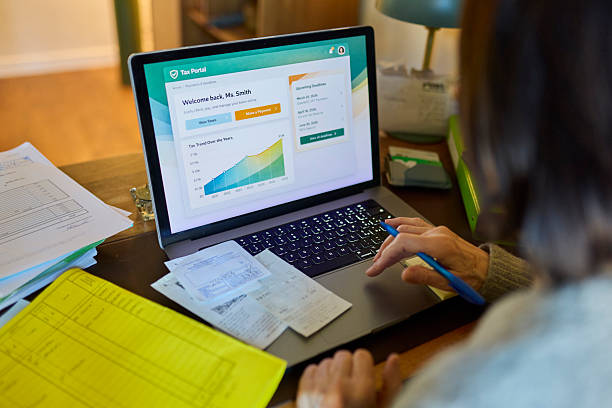
Track the boring stuff. When money starts coming in, separate it from your personal spending. A second checking account is enough. Record every sale and every expense. In the United States, you may owe self-employment taxes on side income, so set aside a chunk of each sale. A safe habit is twenty-five to thirty percent. If the product grows, talk to a tax professional. Until then, keep clean records. This protects you at tax time and keeps your personal budget from getting messy.
Scale only after it sells. Once you have buyers, ask them what else they need. Then add a companion template, an updated version, or a small add-on. Raise the price for new buyers. Automate delivery so you are not emailing files at midnight. Digital products can earn while you sleep, but they are not passive at first. They are a small machine you build with a few hours a week. Consistency beats launch hype. Do not buy a thousand-dollar course to learn what a free afternoon of research and one honest conversation can teach you.
The real payoff is breathing room. A digital product will not replace your salary next month. It can cover a bill, build an emergency fund, or pay down high-interest debt. That lower credit utilization and stronger savings cushion can improve your financial life more than any fancy side hustle. You do not need a manager, a corporation, or permission. You need one useful file and the discipline to keep costs near zero. Start this week. Write one page that solves one problem. Ask one person if they would pay for it. That is how real income begins.