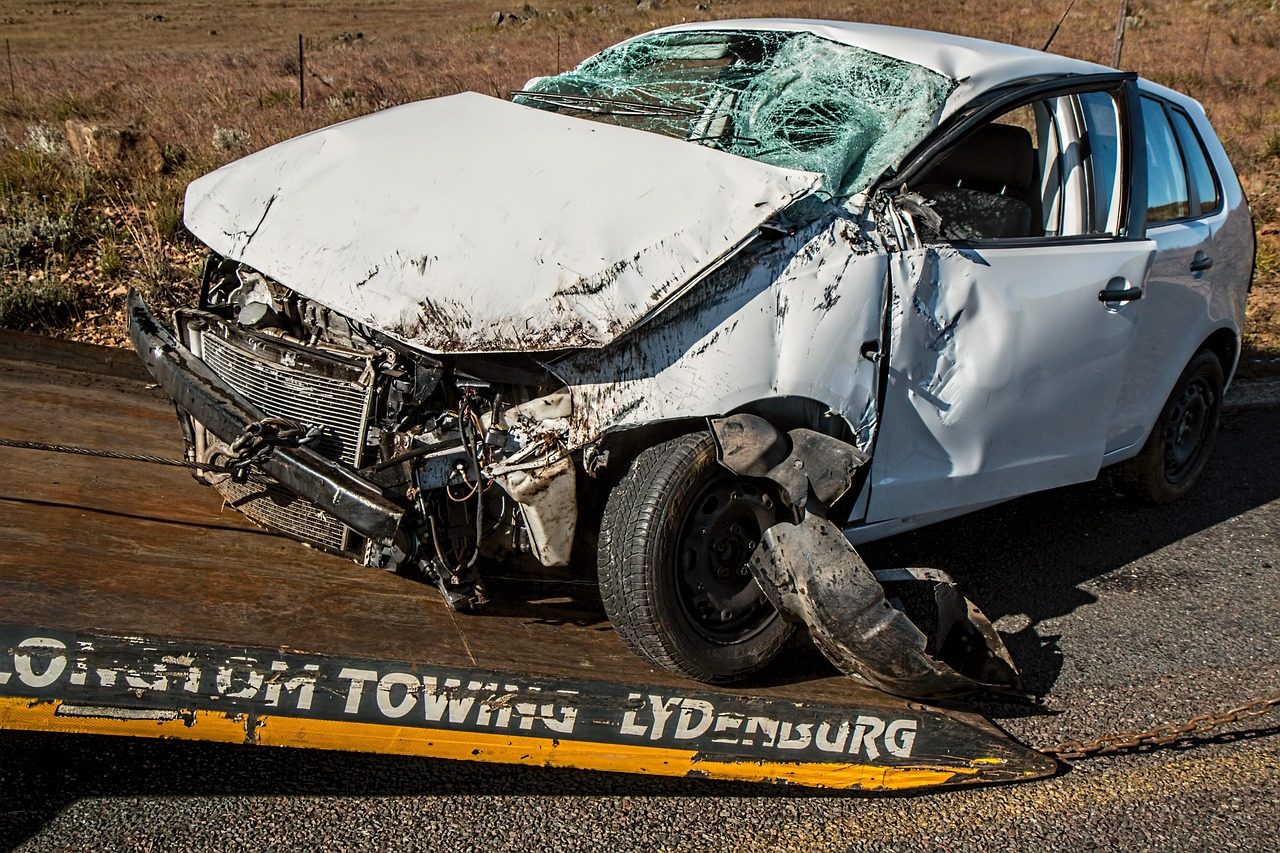


Liability insurance is the legal minimum in most states, and it is exactly what it sounds like: it pays other people when you cause a crash. It covers bodily injury and property damage you inflict on someone else, up to your policy limits. It does not fix your car, replace your car if it is stolen, or pay to repair a tree you back into. If you are financing or leasing a vehicle, the lender or leasing company will almost certainly require full coverage, so liability alone is not an option until you own the car outright.
Full coverage is not a legal term, and that matters. It usually means liability plus collision and comprehensive coverage. Collision pays for damage to your car from a crash, whether you hit another car, a guardrail, or a pothole. Comprehensive pays for theft, fire, hail, flood, vandalism, and animal strikes. Some insurers also bundle medical payments, personal injury protection, uninsured motorist coverage, and roadside assistance into what they call full coverage, but the exact package depends on the policy. Read the declarations page, not the marketing name. That is why two drivers can both say full coverage and carry very different protection.
The practical question is not which label sounds safer. It is which losses you can afford to absorb yourself. Liability should be your first priority because a serious injury claim can exceed state minimums fast. Buy more than the minimum if you have any assets or future income worth protecting. A common sensible target is limits that match your net worth plus a cushion, or at least enough to cover a serious medical claim without wiping you out. Uninsured and underinsured motorist coverage is also worth serious consideration because plenty of drivers carry little or no insurance. It protects you when the other driver cannot. Cheap limits can feel fine until one hospital bill arrives.
Full coverage makes sense when the car is valuable enough that losing it would hurt your budget. If you still owe money on the car, you usually need it. If the car is worth several thousand dollars and replacing it would require a loan or drain your emergency fund, full coverage is a reasonable buy. If you have a low deductible, you pay more every month but less at claim time. If you raise the deductible, you lower the premium but need cash ready for repairs. Choose a deductible you can actually cover tomorrow, not one that looks good only on the quote screen. A higher deductible only saves money if you will not panic and put the repair on a credit card at twenty-plus percent interest.
Liability only can make sense when the car is old, paid off, and cheap to replace relative to your savings. Run the math instead of guessing. Compare the annual cost of collision and comprehensive with the car’s value and your deductible. If you are paying six hundred dollars a year to insure a car worth three thousand dollars with a one thousand dollar deductible, you are buying limited protection at a high price. That does not mean drop coverage blindly. Keep enough liability and uninsured motorist protection, and keep an emergency fund for repairs or a replacement. If you cannot cover a total loss without borrowing at a painful interest rate, full coverage may still be the cheaper choice in real life. Also price the cost of a rental car and towing, because a cheap liability policy can leave you paying for both after a crash.
Do not forget that full coverage does not mean everything is covered. It usually pays actual cash value, not what you originally paid or what a new car costs. It may not cover wear and tear, mechanical breakdown, or custom parts unless you add endorsements. Gap insurance can matter if you owe more than the car is worth, but it is not a substitute for a solid liability policy. Shop at least three quotes, ask about discounts, and review coverage every year or when your car’s value drops. Do not cancel collision and comprehensive just because the car is paid off if replacing it would wreck your savings. The goal is simple: protect other people with strong liability limits, protect yourself from catastrophic uninsured drivers, and insure your own car only as far as your budget truly needs.