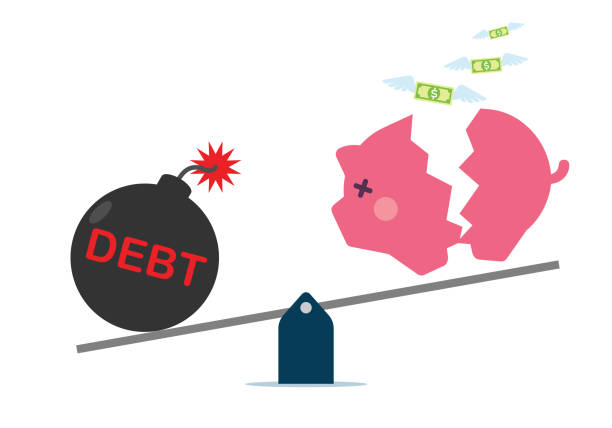
The relentless pressure of debt can feel like a financial straitjacket, constricting your budget and clouding your future. The question of where to find extra money to loosen that grip is a common and urgent one. The path to liberation lies not in a single, mythical windfall, but in a two-pronged approach: a meticulous audit of your existing spending to free up capital, and a proactive pursuit of new income streams. By combining these strategies, you can build a powerful and sustainable debt-repayment engine.The first and most immediate place to look is within your own current financial flow. Begin by conducting a forensic examination of your monthly expenses. Scrutinize bank and credit card statements line by line, searching for subscription services that quietly renew, memberships you no longer use, or habitual spending on conveniences like premium coffee and dining out. This process is not about deprivation but about conscious reallocation; the money spent on a forgotten streaming service or daily luxury treats is capital that could be working to reduce your principal balance. Furthermore, examine your larger, fixed expenses. A call to service providers for internet, insurance, or your mobile phone can often yield discounts or reveal cheaper plans. Even modest reductions in these areas create consistent monthly savings that can be automatically directed toward your debt, creating a reliable and passive source of extra funds.Simultaneously, your physical possessions represent a potential reservoir of cash. Your home is likely filled with items that are no longer useful to you but hold value for others. Conduct a thorough decluttering, targeting electronics, designer clothing, collectibles, sporting equipment, and furniture. Online marketplaces and local selling apps make this process more accessible than ever. This approach serves a dual purpose: it generates a lump sum to make a significant dent in a debt balance and creates a less cluttered living environment. For higher-value items like a car, consider if downsizing is a feasible option. The difference in payment or the cash from a sale can be substantial. Similarly, if you are carrying high-cost debt like credit card balances, exploring a balance transfer to a zero-percent interest card or a consolidation loan with a lower rate can itself “find” money by drastically reducing the amount lost to interest each month, allowing more of your payment to attack the principal.While trimming expenses is crucial, its power is ultimately limited by your total income. Therefore, the second, and often more potent, strategy is to increase your earnings. The modern gig economy offers unprecedented flexibility for generating side income. Leverage your skills by freelancing in writing, graphic design, or bookkeeping. If you prefer active work, consider driving for a rideshare or delivery service during peak hours, or renting out a spare room on a short-term rental platform if your situation allows. Look for “odd jobs” in your community, such as pet sitting, lawn care, or assisting with moves. Your primary job may also hold untapped potential. Pursue overtime if available, ask about performance bonuses, or invest in a certification that could lead to a raise or promotion. For a more hands-on approach, seasonal work during holidays or tax season can provide a focused, temporary boost to your debt-repayment war chest.Ultimately, finding extra money for debt is an active and ongoing process of resourcefulness. It requires looking inward at your spending habits with a critical eye and looking outward at the opportunities your time and skills can capture. The journey out of debt is built not on a single grand gesture, but on the cumulative power of many small, deliberate choices. By consistently redirecting saved dollars and earned extra income toward your balances, you transform anxiety into agency, steadily replacing the weight of obligation with the momentum of progress. The money is there, waiting to be discovered in the intersection of frugality and initiative.